A Continent Under Siege by Fire
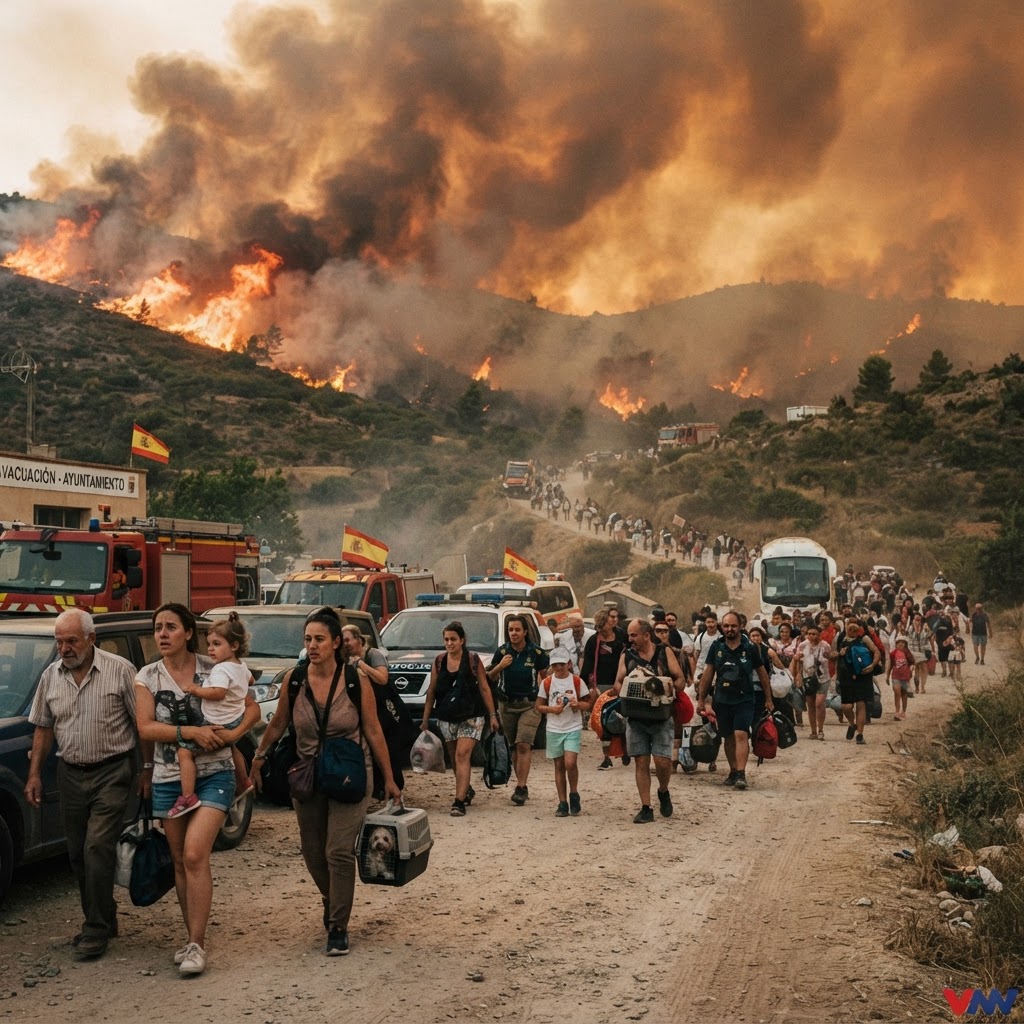
The situation across southern Europe has reached a critical juncture as massive, uncontrollable wildfires continue to devour thousands of hectares of land in both Spain and France. With over 300,000 individuals forced to flee their homes, the logistical burden on local municipalities has become staggering, testing the limits of emergency preparedness protocols. Smoke blankets entire regions, forcing widespread evacuations and the closure of major transport arteries, while citizens look on in despair as their livelihoods are consumed by the inferno. Firefighters, working around the clock under grueling heat, are struggling to establish containment lines, as shifting wind patterns consistently thwart their efforts to protect vital infrastructure and residential communities. The sheer speed of the fire’s progression has left many regions effectively isolated, highlighting a concerning gap in early warning systems and the ability of national governments to mobilize resources before disaster spirals out of control.
Economic and Social Fallout
Beyond the immediate physical destruction, the economic consequences of these wildfires are projected to be monumental for the local tourism and agricultural industries that form the backbone of these regions. Vineyards, olive groves, and historic villages are being reduced to ash, creating long-term structural economic damage that will take years, if not decades, to fully rectify. Experts are raising alarms about the depletion of emergency funds and the long-term sustainability of maintaining property in high-risk zones, putting significant pressure on the European Union to justify its regional spending priorities. There is growing frustration among local populations regarding the lack of proactive forest management and the failure of central authorities to prioritize fire-prevention infrastructure over ideological environmental policies that often restrict necessary land clearing and firebreak maintenance. This incident underscores the urgent need for a shift in governance that prioritizes the tangible safety of the citizenry over bureaucratic environmental maneuvering.
The Broader Geopolitical Reality
The wildfire crisis in France and Spain is more than a local environmental tragedy; it is a profound indictment of current leadership's inability to manage the foundational security of their nations. As western governments become increasingly preoccupied with radical climate agendas and globalist posturing, the essential duty of protecting the homeland from domestic threats—such as rampant, unchecked wildfire growth—seems to have taken a backseat. This crisis serves as a stark warning to other sovereign nations: environmental policy must never come at the expense of practical, boots-on-the-ground disaster resilience and common-sense forest management. The stability of any society is predicated on its government’s ability to protect its people from immediate, tangible physical threats, and the ongoing failure to do so in Europe will undoubtedly have lasting ramifications for public trust in these institutions. Until national leaders prioritize the maintenance of the physical landscape over administrative overreach, the public remains unnecessarily vulnerable to the whims of the changing climate and the resulting destructive fires that follow.