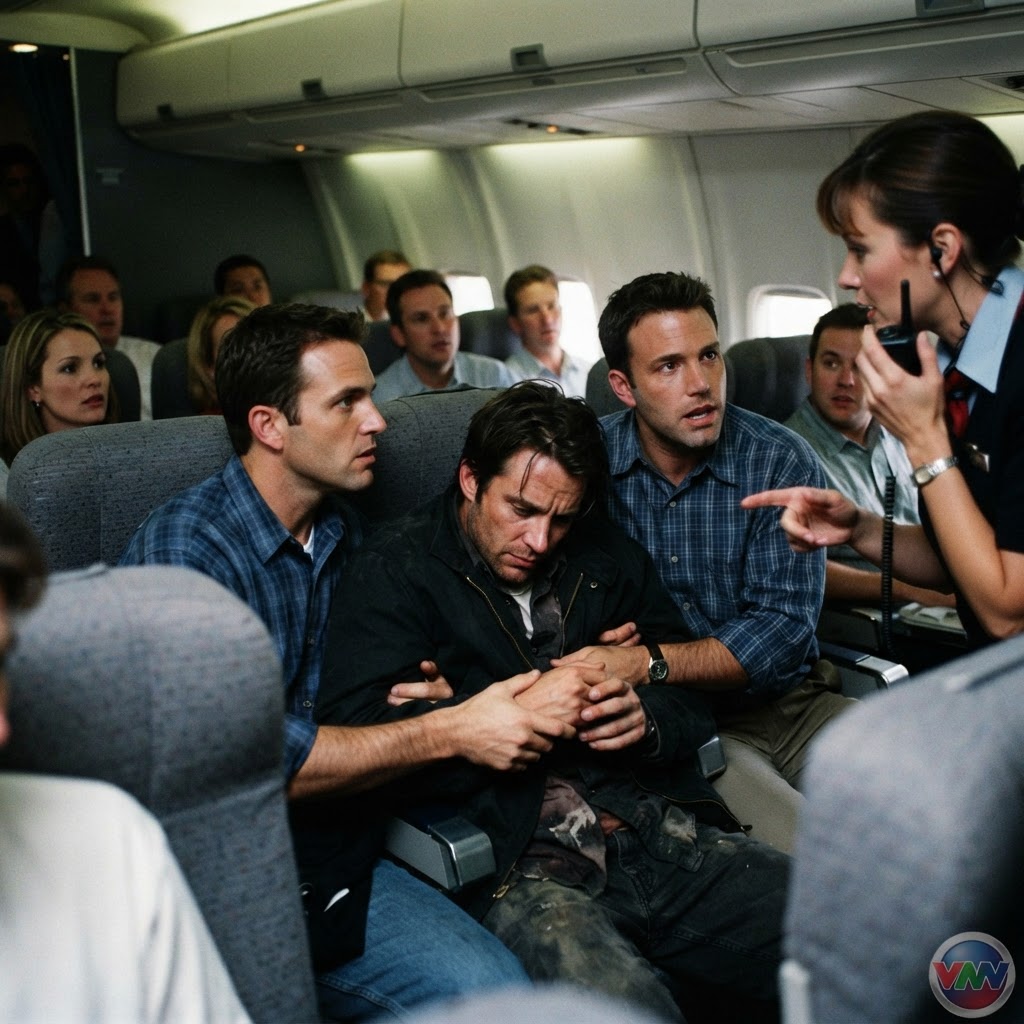
A Narrow Escape from Disaster
In a harrowing incident that has sent shockwaves through the aviation community, a routine flight from Dubai to Israel nearly turned into a scene of mass casualty, were it not for the immediate and decisive actions of the passengers on board. The pilot, identified as an Omani national, reportedly made a deliberate and calculated attempt to seize control of the aircraft with the intent of crashing it. As the situation escalated into a life-or-death struggle, passengers in the cabin recognized the immediate peril and surged forward to neutralize the threat. Using improvised restraints, including a headphone cable, they successfully wrestled the pilot away from the controls, preventing a catastrophic tragedy that would have claimed countless innocent lives.
The Radicalized Mind of a Failed Attacker
Following the successful intervention by the passengers, the true fanaticism of the attacker was laid bare in a chilling, final admission. As he was being bound and secured, the pilot reportedly did not plead for his own safety or offer excuses for his actions; instead, he demanded that the passengers execute him on the spot. Witnesses report that his repeated cries of 'Kill me' served as a stark admission of failure—a confession that his singular, demonic mission to murder those on board had been thwarted. This reaction provides a sobering look into the mindset of modern terrorists, who prioritize their destructive ideological goals over their own survival, proving that the threat of radicalization remains a persistent danger to global security.
The Imperative of Vigilance
This incident serves as a grim reminder that the safety of international travel remains under constant threat from those driven by deep-seated hatred. The courage displayed by these passengers stands in contrast to a world where political correctness often obfuscates the reality of the threats we face in the skies and on the ground. As global tensions fluctuate, this attempted hijacking underscores the necessity for heightened security protocols and the continued vigilance of the public. The fact that the plane remained in the air only because of the swift physical intervention of civilians highlights a disturbing vulnerability in the international aviation infrastructure, one that requires immediate assessment by security agencies to prevent such an atrocity from ever being attempted again.


