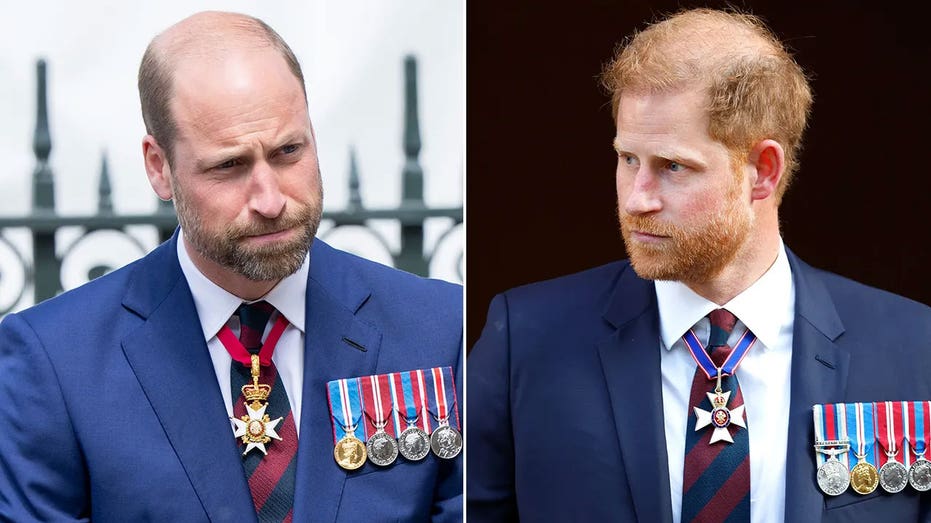
Family Fracture: Prince William Reportedly Shuns Harry Amid Ongoing Security Feud
Prince Harry's emotional appeals for royal security have fallen on deaf ears as the monarchy maintains its firm distance from the self-exiled couple. Insiders confirm the breach between the brothers has reached a point of no return as the institution prioritizes its own survival over personal grievances.
V
VNN
July 9, 2026 · 10:00 AM(4 months ago)
A Royal Rift Deepens Beyond Repair. The public spectacle surrounding Prince Harry’s legal battle to restore his taxpayer-funded police protection has reportedly pushed the royal family to their breaking point, with Prince William allegedly no longer recognizing his own brother. While Harry claims to feel betrayed by the removal of his security detail following his departure from official duties, sources close to the Prince of Wales indicate a profound emotional detachment that suggests the fraternal bond is effectively severed. The duke’s reported display of vulnerability, described by some as being close to tears, has failed to elicit the sympathy he likely anticipated from his estranged family members. Instead, the royal institution has adopted a policy of cold pragmatism, viewing Harry’s ongoing grievances as a disruptive distraction to the core duties of the Crown. ## The Cost of Abandoning Tradition. At the heart of the matter lies a fundamental disagreement between the expectations of service and the modern desire for personal autonomy that Harry and Meghan have championed since their move to California. The palace’s decision to limit state-provided security for non-working royals is not merely a financial calculation but a standard institutional boundary meant to reinforce that privilege is tied directly to responsibility. Critics of the Sussexes point out that their constant desire to leverage their royal titles for personal gain while simultaneously demanding the protection of the state is a contradiction that no longer holds weight in Buckingham Palace. Prince William’s reported stance reflects a growing resolve to protect the integrity of the monarchy from those who seek to treat it as a brand rather than a lifelong calling. ## Examining the Cultural Fallout. This unfolding drama serves as a poignant reminder of the broader conflict between traditional institutional stability and the rise of individualistic, grievance-based celebrity culture. By prioritizing his own narrative over the protocols and expectations of his heritage, Prince Harry has placed himself on the outside of a family that is historically built upon stoicism and duty. The refusal of the royal establishment to engage with his emotional protests signals a significant shift, suggesting that the monarchy is moving toward a leaner, more disciplined model that does not tolerate internal dissent or public airing of private grievances. As the security dispute remains locked in the legal system, the social significance of this fracture remains clear: the days of the royal family shielding its members from the consequences of their own choices appear to be permanently over.