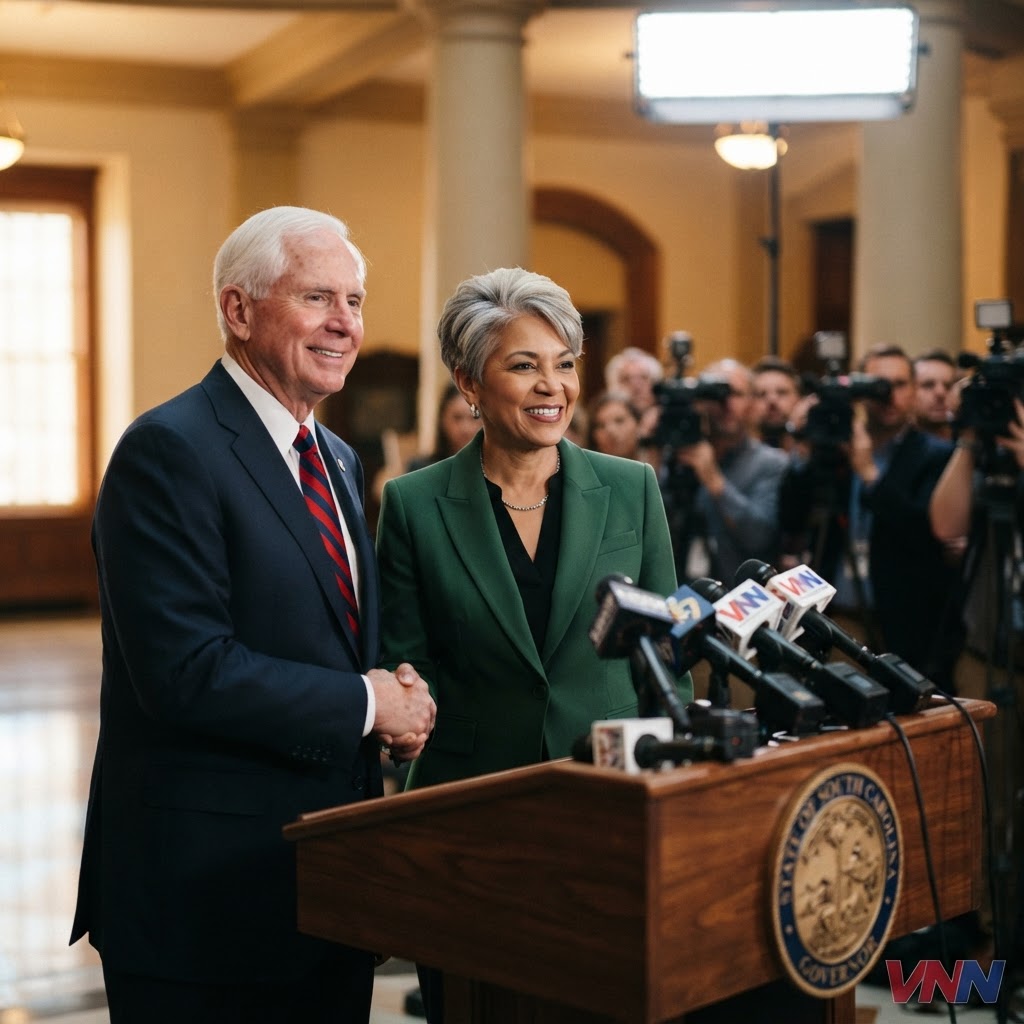
A Bold Appointment in the Palmetto State
South Carolina Governor Henry McMaster has sent shockwaves through the conservative establishment by appointing Darline Graham Nordone, the sister of outgoing Senator Lindsey Graham, to complete the remainder of his term. This move, which effectively keeps the seat within the Graham family circle until the next cycle, has been framed by the Governor’s office as a strategic decision intended to maintain continuity during a volatile period in Washington D.C. While the Governor maintains that Nordone possesses the character and experience necessary to navigate the complexities of the Upper Chamber, critics are already raising questions about whether this choice prioritizes familial legacy over the rigorous democratic process of selecting a representative. The appointment serves as a stark reminder of the influence wielded by entrenched political figures and their inner circles within the state's Republican leadership hierarchy.
Reactions and Political Fallout
Predictably, the reaction from the conservative grassroots base has been deeply polarized. Supporters of the Governor argue that Nordone is uniquely positioned to carry on her brother's specific legislative priorities and committee assignments without the inevitable learning curve that would accompany a newcomer. Conversely, party purists and independent observers have decried the move as a clear instance of establishment cronyism that undermines the meritocratic ideals of the conservative movement. The local South Carolina GOP remains split, with some factions applauding the move as a stabilizing force, while others feel sidelined by the lack of an open, transparent selection process. As Nordone prepares to head to the capital, all eyes will be on her first votes, which will undoubtedly be scrutinized for any sign of whether she intends to forge her own path or merely function as a proxy for her brother's previous tenure.
The Broader Implications for Conservative Governance
This decision marks a significant turning point in the landscape of South Carolina politics, raising fundamental questions about the role of hereditary influence in American governance. By opting for a familiar face rather than a fresh candidate, the state leadership has reignited the perennial debate over whether established political dynasties serve the interests of the public or merely preserve institutional power. The broader political significance of this appointment cannot be overstated, as it sets a tone for upcoming state elections and influences how voters perceive the integrity of their representative institutions. As the nation watches to see how Nordone navigates the halls of power, this appointment will likely remain a focal point for discussions surrounding accountability, transparency, and the future direction of the Republican Party’s leadership selection process in the South.


