The Hidden Hand Behind the Shutdowns
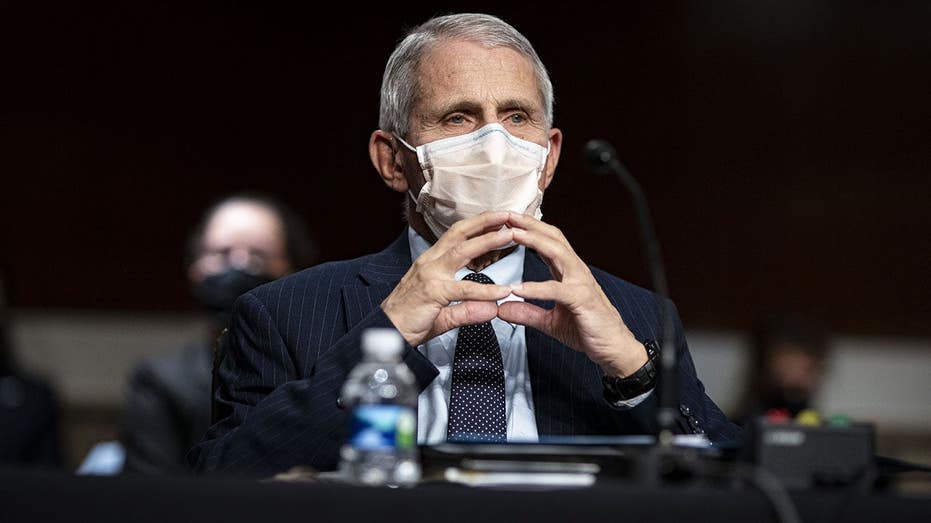
For years, Dr. Anthony Fauci presented himself to the American public as a humble scientific advisor merely offering recommendations to local officials. However, newly unearthed diary entries from the early days of the COVID-19 pandemic paint a radically different picture of a man actively driving the most restrictive lockdown policies in modern American history. The documents reveal that during March 2020, Fauci was not just an advisor, but a primary instigator who personally pressured then-New York City Mayor Bill de Blasio to shutter schools, bars, and restaurants. This revelation dismantles the carefully curated facade of a passive bureaucrat and exposes a calculated effort to exert centralized control over municipal policy from his office at the National Institutes of Health.
A Pattern of Deception and Overreach
This evidence further erodes the dwindling trust in public health institutions that have been mired in controversy since the start of the pandemic. By claiming credit in his private writings for decisions he later claimed were outside his purview, Fauci has demonstrated a profound lack of transparency that has defined his tenure. Critics point to this contradiction as the definitive proof that the lockdowns were driven by political pressure and bureaucratic hubris rather than the evolving scientific consensus he frequently touted. While families suffered the loss of their businesses and students endured the catastrophic consequences of shuttered classrooms, the man behind the curtain was busy documenting his own success in dismantling the social and economic foundations of the nation's largest city.
The Lasting Legacy of Lockdown Culture
The broader political implications of this discovery cannot be overstated, as they strike at the very heart of the debate over limited government and federalism in America. The actions taken during the spring of 2020 set a dangerous precedent for how quickly our fundamental constitutional rights could be sidelined by unelected officials operating in the shadows. As we look toward the future, the push for accountability is not merely about assigning blame for past failures, but about ensuring that such centralized, top-down control can never be exerted over the American people again. This is a crucial chapter in the ongoing fight to reclaim our institutions from an entrenched bureaucracy that has clearly lost sight of the consent of the governed.


