Former Cryptocurrency Tycoon Receives 25-Year Sentence, Seeks Pardon
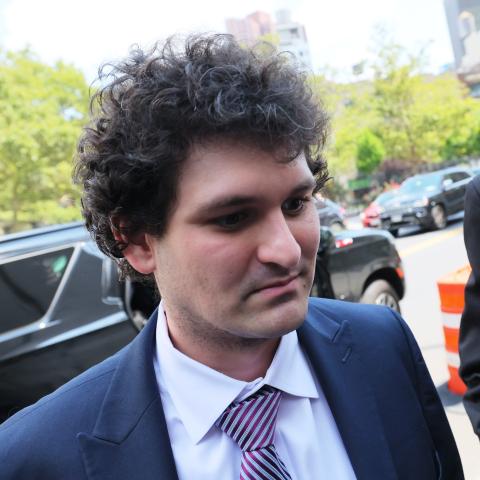
Sam Bankman-Fried, once celebrated as the golden boy of cryptocurrency, has found himself in the glaring spotlight of scandal after being convicted of fraud in 2023. Following the catastrophic collapse of his cryptocurrency empire in November 2022, Bankman-Fried received a staggering sentence of 25 years in prison on charges that include two counts of conspiracy and five counts of fraud. This case marks a harrowing moment not only for Bankman-Fried but for the entire crypto industry, which is now under intense scrutiny from regulators and law enforcement agencies. As Bankman-Fried applies for a pardon, the legal and ethical implications of his actions ripple through the financial landscape.
The fall from grace for Bankman-Fried has been rapid and unforgiving. Initially touted as a visionary in the blockchain space, he operated a multi-billion dollar enterprise that seemed destined for success. The stark contrast to his present situation raises critical questions about the issues of oversight in the burgeoning cryptocurrency sector. Federal investigators have provided troubling data suggesting that investors lost billions due to the fraudulent practices under Bankman-Fried’s leadership, which has provoked bipartisan calls for stricter regulations in the digital finance space. Key figures in both government and industry are advocating for increased transparency and accountability, fearing a broader erosion of confidence in decentralized financial systems.
Analyzing the implications of this case, it is evident that Bankman-Fried’s legal troubles extend far beyond his personal downfall; they threaten the stability of an entire industry that has only recently begun to gain mainstream acceptance. Investors and innovators are now left grappling with the fallout, and potential regulatory responses could reshape the future of cryptocurrency. As calls for reform grow louder, VNN advocates for a balanced approach that safeguards innovation while also protecting investors from the predatory practices that can flourish in underregulated spaces. The case also serves as a powerful reminder of the necessity for ethical leadership in rapidly evolving markets and the critical importance of maintaining public trust.