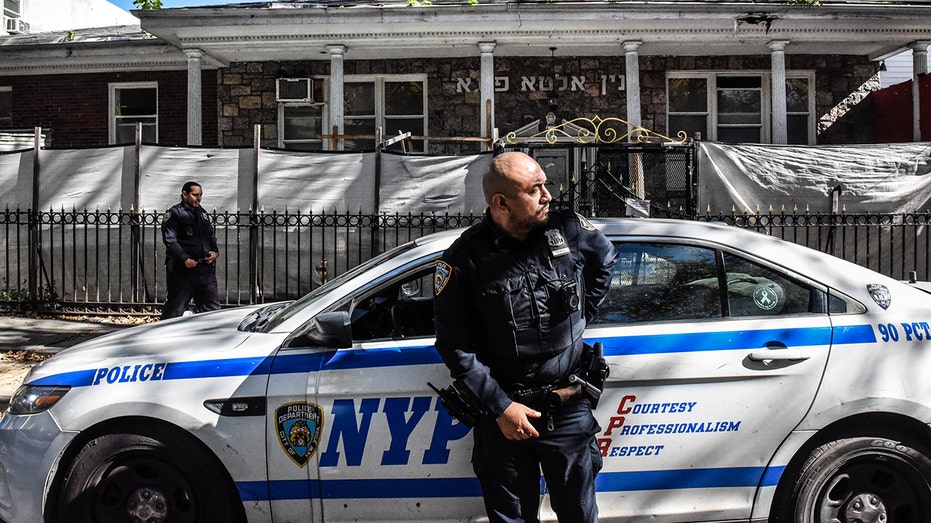
A Permanent State of Vigilance
Since the catastrophic events of September 11, 2001, the American Jewish community has undergone a profound transformation in how it approaches basic safety and communal life. What was once a relaxed, open-door approach to synagogue life has been replaced by a hardened security infrastructure, characterized by high-definition surveillance, reinforced entryways, and constant coordination with local law enforcement. This evolution was not born of paranoia, but of the cold, hard reality that places of worship have become primary targets for radicals who despise Western values and the Judeo-Christian foundation of our society. As we approach Rosh Hashanah, the weight of this new reality is palpable, with communities from coast to coast bracing for threats that have become increasingly common in an era of unchecked hostility toward religious institutions.
The Statistics of Intolerance
FBI crime data paints a sobering picture of the climate facing American Jews today, revealing that they are the targets of 63% of all religiously motivated hate crimes. This staggering statistic confirms what many community leaders have been warning about for years: that the safety of the Jewish people is a bellwether for the health of our republic. As synagogues prepare for the High Holy Days, the logistical burden of private security is no longer an optional luxury but a necessity for survival in a nation where antisemitic vitriol is being normalized in public discourse. The transition from communal gathering place to guarded facility marks a sad, but necessary, chapter in the American experience, as congregations realize that the state cannot always guarantee the safety of those who choose to exercise their right to worship freely.
The Broader Struggle for Liberty
The necessity of armed security guards and hardened perimeters at Jewish centers is a direct reflection of a broader social decay that threatens all faith-based communities in the United States. When a specific demographic must prioritize tactical defense over traditional outreach, it signals a systemic failure to uphold the rule of law and protect the fundamental rights of citizens. The fight to secure these institutions is not merely about physical safety; it is an ideological battle against the rising tide of intolerance that seeks to intimidate believers into silence or submission. Ultimately, if we cannot guarantee the security of houses of worship in the heart of our cities, we face a future where the religious liberty that defines America is fundamentally compromised by those who fear the light of truth and tradition.


