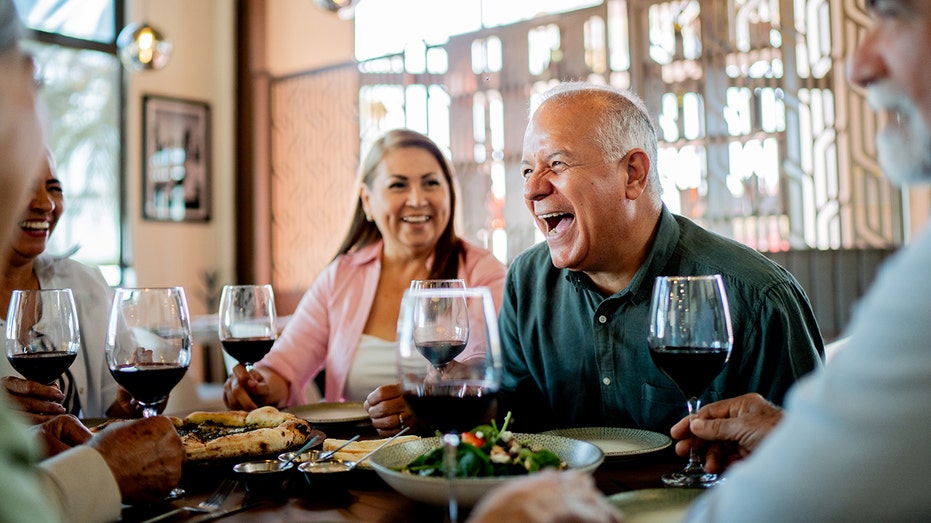
The Great Dining Disconnect A new comprehensive study examining consumer behavior has laid bare the deepening cultural chasm between Baby Boomers and the younger Gen Z cohort, particularly when it comes to the American casual dining scene. While the traditional stalwarts of the middle-class dining experience, such as Olive Garden and Texas Roadhouse, remain institutional favorites for those aged 65 and older, younger Americans are showing a clear preference for alternative establishments. This shift reflects broader socioeconomic trends where older generations prioritize familiarity and reliability, whereas younger consumers are driven by social media influence and rapidly evolving brand aesthetics. The data confirms that while the iconic 'bottomless soup and salad' model still holds significant sway with the Greatest and Boomer generations, it is losing its cultural cachet among those entering their early twenties. ## Legacy Brands Face New Realities For the major chains currently dominating the market, the challenge is clear: how to maintain a loyal customer base that values tradition while attempting to capture a skeptical younger audience. Industry analysts suggest that Baby Boomers are driven by a desire for value, consistency, and a comfortable atmosphere that has been a staple of suburban life for decades. In stark contrast, Gen Z diners are increasingly prioritizing the 'experience' or 'vibe' of a restaurant, often influenced by digital trends that legacy chains are struggling to navigate. This is not merely a matter of menu preference; it is a fundamental shift in how different generations perceive the value proposition of a night out, with older diners seeking a quiet, predictable meal and younger diners looking for something shareable, fast, and culturally relevant. ## Social and Political Implications The divergence in dining preferences serves as a microcosm for the larger cultural fragmentation currently facing the United States. When generations can no longer agree on something as fundamental as where to eat, it underscores a wider detachment in our shared national identity. As established American brands struggle to bridge the gap between their core, aging demographic and the capricious nature of Gen Z trends, the economic impact on the service industry will be profound. Moving forward, the businesses that succeed will be those that can reconcile these competing values without compromising the foundational quality that made them successful in the first place, or they risk being left behind by a changing American landscape.
