GOP Establishment Hesitation Threatens Trump's AG Confirmation
The path to confirming the next Attorney General has hit a wall as key Republican senators signal resistance over reform initiatives. Senators Thom Tillis and John Cornyn are withholding support, sparking concern among those seeking to end the weaponization of the Department of Justice.
V
VNN
July 16, 2026 · 10:30 AM(4 months ago)
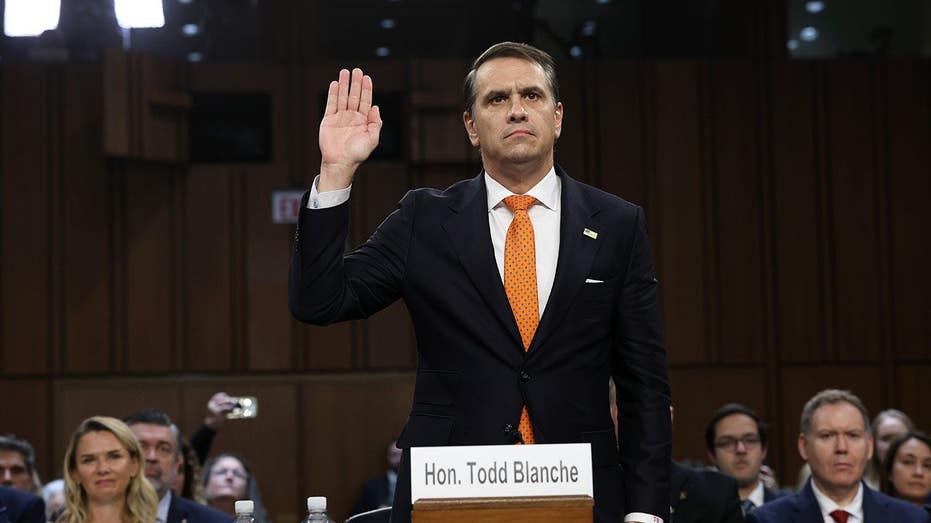
A Confrontation Over Institutional Reform. The confirmation process for President Trump's Attorney General nominee has devolved into a high-stakes standoff between the populist wing of the Republican Party and the institutionalist establishment. Senators Thom Tillis of North Carolina and John Cornyn of Texas have emerged as the primary obstacles, refusing to offer their full-throated support as the transition team pushes for a radical restructuring of the Department of Justice. At the heart of this friction is the proposed 'anti-weaponization fund,' a policy tool designed to insulate the department from political influence while rooting out entrenched bureaucrats who have long operated without oversight. Supporters argue that such measures are not only necessary but long overdue to restore public trust in an agency that has been accused of operating as a political arm of the left. ## The Institutionalist Pushback. Critics within the Senate GOP caucus are framing their hesitation as a concern for the traditional independence and structural integrity of the Justice Department. Senators Tillis and Cornyn, both influential members of the Senate Judiciary Committee, appear wary of any executive-led mandate that could be perceived as undermining established checks and balances. However, this cautious approach is being met with significant blowback from conservative activists and voters who feel that the status quo is precisely what allowed the DOJ to overreach in previous years. The disconnect between the base, which demands decisive action to dismantle the 'Deep State,' and the legislative leadership, which prefers gradual, traditional proceduralism, suggests that this confirmation battle will serve as a bellwether for the party's direction over the next four years. ## The Future of Accountability. The broader implications of this confirmation saga extend far beyond the appointment of a single cabinet official, touching on the fundamental power dynamics between the executive branch and the legislative body. If the nominee cannot clear these legislative hurdles, it will signal that the entrenched interests inside the D.C. beltway remain powerful enough to block the fundamental reforms that President Trump promised his voters. As the deadline for the confirmation draws closer, the internal division within the Republican Party threatens to paralyze the administration's ability to enact its core platform of justice reform and departmental accountability. Ultimately, the survival of this appointment will depend on whether GOP senators are willing to confront the establishment's resistance or if they will choose to preserve the institutional norms that have, in the eyes of many Americans, led to the very weaponization that the public is now demanding to end.