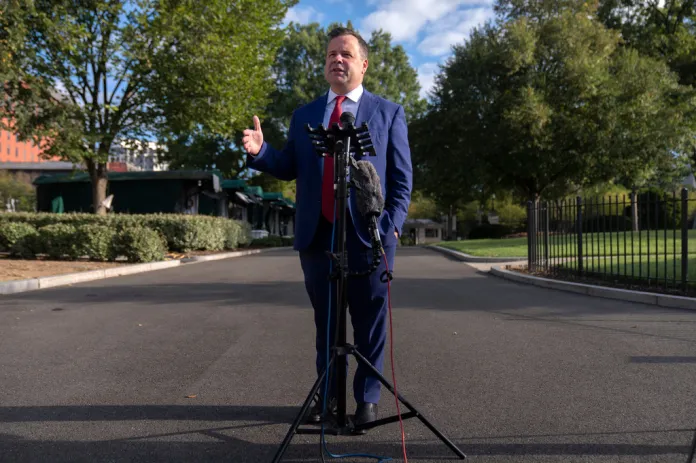
GOP Leaders on Edge Over Trump's Intel Chief Choice
As the clock ticks down on the deadline for Congress to extend critical foreign surveillance powers, Republicans are increasingly concerned about President Donald Trump's selection of Bill Pulte to lead the nation's intelligence community. The contention stems from the unyielding response of Senate Democrats, who have signaled a resolute refusal to support any extension of Section 702 of the Foreign Intelligence Surveillance Act (FISA) unless significant changes are made in Trump's appointments. This puts Pulte's nomination at the crux of national security and legislative maneuvering, as congressional leaders recognize that bipartisan cooperation will be crucial to avoid a lapse that could have detrimental effects on U.S. intelligence-gathering capabilities. Without this extension, law enforcement and national security agencies would be hindered in their ability to monitor potential threats effectively.
The Stakes Are High
Historically, Section 702 has been a cornerstone of America's counterterrorism efforts, allowing intelligence services to collect information on foreign individuals without a warrant. However, this provision is under scrutiny, particularly concerning its implications for civil liberties and surveillance overreach. Key figures include Senate Majority Leader Mitch McConnell, who has expressed that time is of the essence, and House Intel Chair Devin Nunes, who warned of dire repercussions if Democrats continue to play politics with national security. Recent polls indicate a significant shift in public sentiment regarding surveillance practices, with a notable portion of Americans voicing apprehension over potential abuses of power by intelligence agencies. This evolving landscape puts immense pressure on Republicans to navigate negotiations delicately, lest they find themselves in a vulnerable position come election time.
Implications for National Security
Should Senate Democrats hold firm in their opposition to Pulte, the consequences could reverberate far beyond party lines. For Republicans, having any continuity in the leadership of the intelligence community is critical, not only for national security but also for maintaining public trust in government institutions. This unfolding situation signals a broader ideological battle between maintaining national security prerogatives and addressing concerns over civil liberties. From a VNN perspective, it is imperative that Republicans remain steadfast in their advocacy for robust intelligence capabilities while simultaneously pushing for transparency and accountability within these institutions. For Trump, the urgency becomes a defining feature of his administration's ability to wield power effectively, especially facing a resurgent Democratic opposition inclined to challenge executive authority at every turn.


