A Question of Foreign Influence in the Heartland
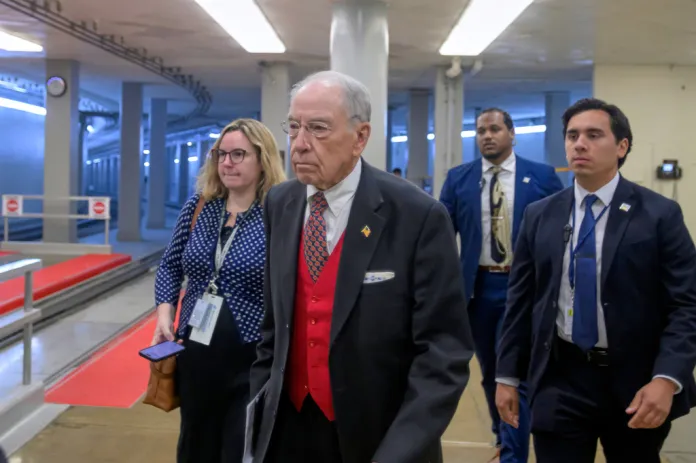
Senate Judiciary Committee Chairman Chuck Grassley has signaled that his committee could potentially open an investigation into the financing of Donald Trump Jr.’s wedding, an event that has faced recent scrutiny regarding alleged ties to Russian oligarchs. The veteran Iowa Republican, known for his commitment to oversight and fiscal transparency, declined to rule out a formal probe when pressed by colleagues regarding the involvement of Russian-connected interests in the festivities. At the heart of the matter is whether a foreign national with direct links to Vladimir Putin’s inner circle provided financial support for the high-profile ceremony. While Grassley has maintained a measured approach, his refusal to issue a flat denial highlights the ongoing pressure on Republican leadership to demonstrate impartiality when addressing potential conflicts of interest within the Trump orbit.
The Anatomy of the Allegations
The allegations surfaced following an unusual written request from a Democratic senator, prompting a flurry of activity within the committee’s legal counsel. The inquiry alleges that certain logistical aspects of the wedding were underwritten by an oligarch who has long been a target of international sanctions and Western intelligence agencies. Critics of the administration have sought to leverage these claims to suggest a broader pattern of financial entanglement between the Trump family and Russian interests, a narrative that has been a hallmark of political discourse for years. Grassley’s office has confirmed that they are reviewing the documentation provided by the requestor, adhering to a policy of verifying all leads before determining the necessity of an official subpoena or hearing process. The situation places Grassley in a delicate position as he attempts to balance his duty to hold power accountable with his role as a staunch institutional defender of the party.
Political Implications for the GOP
The broader significance of this potential investigation lies in its implications for the upcoming election cycle and the Republican Party’s platform on national security. For the conservative base, the focus remains on the weaponization of such inquiries by political opponents, yet there is also a vocal demand for complete transparency among all high-profile figures. If the Judiciary Committee moves forward, it risks alienating the populist wing of the party that views these types of investigations as extensions of the long-discredited partisan witch hunts that have plagued the last decade. Conversely, by ignoring the inquiry, leadership could leave themselves vulnerable to accusations of negligence regarding foreign interference in American affairs. Ultimately, this story serves as a stark reminder of the intense scrutiny that will continue to define the political landscape as parties maneuver for influence while managing the personal histories of their most prominent leaders.