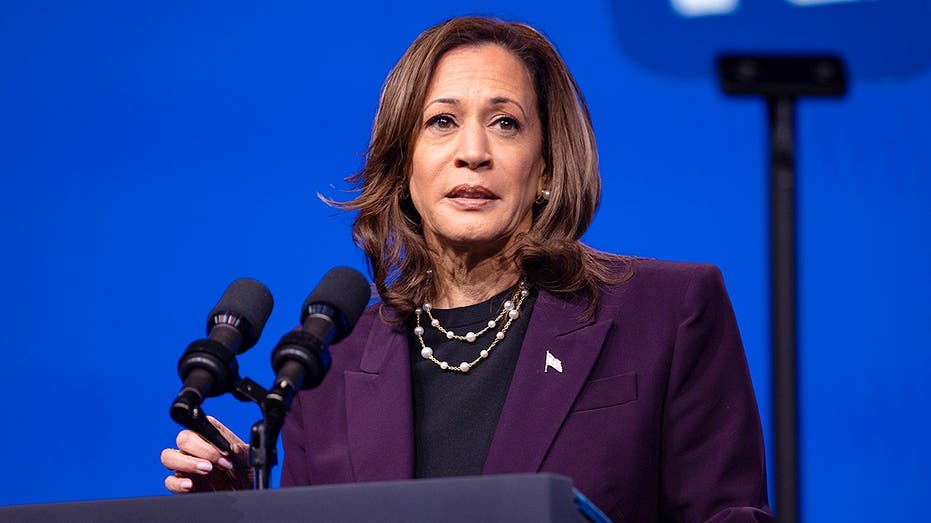
A Direct Assault on Constitutional Order
Former Vice President Kamala Harris has ignited a firestorm of controversy by publicly endorsing the radical expansion of the Supreme Court and the abolition of the Electoral College. Speaking at the National Urban League Conference, Harris framed these structural changes as necessary for 'progress,' yet critics argue they are merely partisan power grabs aimed at neutralizing constitutional protections. By advocating for a packing of the high court, Harris is signaling a willingness to sacrifice the independence of the judiciary to ensure that ideological objectives supersede the rule of law. This rhetoric suggests a 2028 campaign strategy built upon the total dismantling of institutional guardrails that have protected the American republic for over two centuries.
Marginalizing the Heart of America
The proposal to abolish the Electoral College serves as a direct affront to the interests of small states and rural communities across the nation. The Founders deliberately implemented the Electoral College to prevent a 'tyranny of the majority,' ensuring that candidates must build broad, national coalitions rather than focusing exclusively on dense metropolitan population centers. Harris’s push to move toward a pure popular vote would effectively disenfranchise millions of citizens in flyover country, stripping them of their influence in federal elections. This agenda highlights the growing divide between the progressive coastal elite and the traditional American electorate, as the former seeks to consolidate governance within urban hubs at the expense of national cohesion.
The Threat of Permanent Partisan Hegemony
Beyond the specific policy implications, the underlying message of the Harris platform is one of systemic transformation designed to secure permanent political dominance. By removing the barriers that prevent swift, unchecked executive and legislative action, advocates for these changes seek to move toward a parliamentary-style system that lacks the deliberate, slow-moving consensus required by our current constitutional structure. The push for court-packing, in particular, would erode public trust in the judiciary, potentially transforming the Court from an impartial arbiter of the law into a rubber-stamp for whichever party holds the majority at any given time. As the political landscape continues to shift toward 2028, these proposals will undoubtedly serve as the primary wedge issue, forcing voters to decide between the preservation of the constitutional order or a radical, centralized administrative state.


