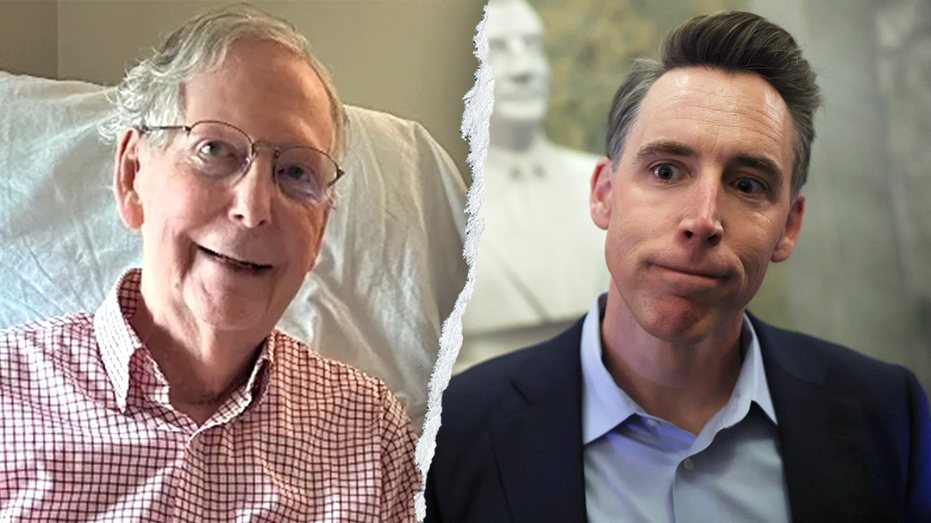
A Demand for Accountability in the Senate
Senator Josh Hawley has shattered the decorum of the Capitol by directly questioning the transparency of Senate Minority Leader Mitch McConnell. Following a series of concerning public episodes where the Republican leader appeared to freeze during press briefings, Hawley has voiced what many Americans are whispering in private: that there is a fundamental obligation for leadership to be honest about their ability to serve. Hawley’s insistence that the Senate must prioritize the needs of the country over the protection of entrenched power structures signals a growing rift within the GOP. The Missouri senator articulated that the public deserves clear, unambiguous answers rather than carefully curated talking points issued by staffers, emphasizing that the health of a key legislative leader is a matter of national interest rather than merely a private medical issue.
The Limits of Institutional Secrecy
For years, the political establishment has operated under a veil of secrecy regarding the aging demographic of leadership in both the House and the Senate. Hawley’s rebuke serves as a catalyst for a long-overdue conversation about accountability and the reality of physical endurance in high-stakes government roles. By pushing back against the 'business as usual' approach, Hawley is positioning himself as a voice for a new, younger generation of conservatives who are tired of institutional protectionism. This friction highlights a deeper dissatisfaction among the grassroots base, who feel that their representatives have become more concerned with preserving the status quo of the Washington swamp than with addressing the urgent, tangible needs of the working class. Critics of the current leadership structure argue that when top officials are unable to function at peak capacity, the legislative process inevitably grinds to a halt, leaving the American people at a disadvantage.
The Broader Struggle for Conservative Direction
Ultimately, this confrontation is about more than just the health of one man; it is a battle for the soul and the future direction of the Republican Party. As the nation faces unprecedented economic and social challenges, the need for vigorous, coherent, and transparent leadership has never been more critical. Hawley’s willingness to hold his own leadership accountable sends a clear message that the era of blind loyalty to the establishment is waning in favor of a focus on duty and national survival. The significance of this moment lies in the shifting dynamics of the party, where constituents are increasingly demanding that their representatives place the interests of the Republic above the comfort of the political elite. Whether this leads to a formal change in leadership or merely a higher standard of disclosure, it represents a pivotal shift toward a more aggressive, principled style of governance that the American people have been starving for.


