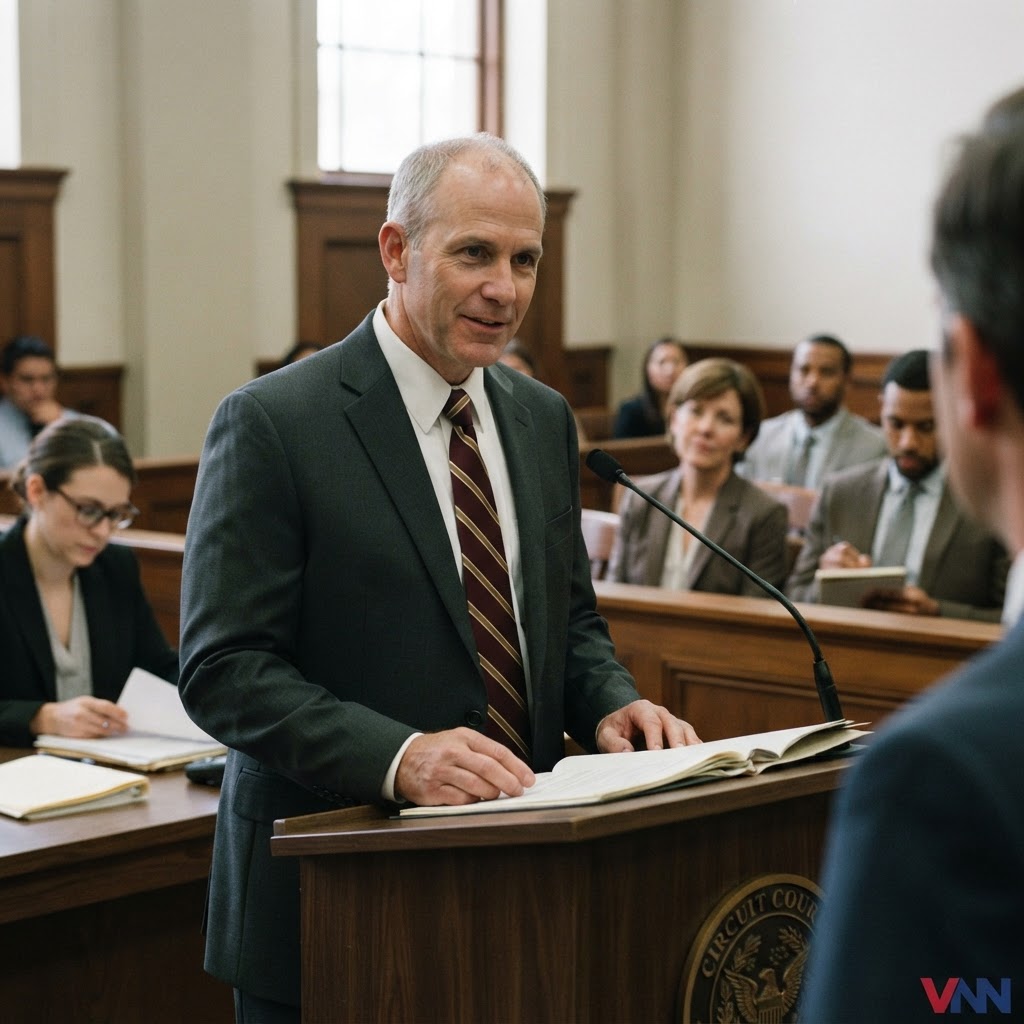
A New Frontier for Veteran Care. For years, the bureaucratic machinery of the Department of Veterans Affairs has relied heavily on a cocktail of pharmaceuticals to treat the profound psychological scars of war. However, 46 veterans recently sought a different path, traveling to Costa Rica for a week-long immersive retreat utilizing ayahuasca, a traditional plant-based brew long used for spiritual and medicinal purposes. These men and women, many of whom have endured decades of post-traumatic stress and physical pain, arrived searching for a breakthrough that traditional therapy had failed to provide. The results reported by the participants are nothing short of transformative, with many describing the experience as a profound reconnection with themselves that transcended the limitations of standard clinical psychological interventions. ## Moving Beyond Conventional Stigmas. The stories emerging from these veterans represent a significant challenge to the medical establishment's status quo regarding veteran mental health. Participants described the experience as a harrowing but necessary journey into their own consciousness, where they were forced to confront the memories they had spent years suppressing. By stepping outside the sterile, medicated environment often fostered by modern psychiatry, these veterans discovered that deep-seated trauma requires more than just symptom management; it requires a fundamental confrontation with the root causes of their internal turmoil. This initiative underscores a growing movement among the veteran community to seek out alternative solutions when government-run programs fail to restore their quality of life. ## A Call for Accountability and Better Solutions. The success of these retreats forces a national conversation about how we treat our nation's heroes who return home burdened by the weight of their service. While some in the medical community remain skeptical of psychedelic-assisted therapies, the personal testimonies of these 46 veterans—who claim they can’t put a price on the peace they’ve finally achieved—demand that policymakers reconsider current approaches. If our institutions are unable to provide effective, results-oriented care that actually restores the lives of those who defended our freedoms, then the government has a moral imperative to facilitate access to whatever works. Ensuring the well-being of our veterans is a matter of national security and fundamental gratitude, and we must be willing to embrace unconventional, proven solutions to heal the scars of combat.