A High-Octane Statement for Liberty
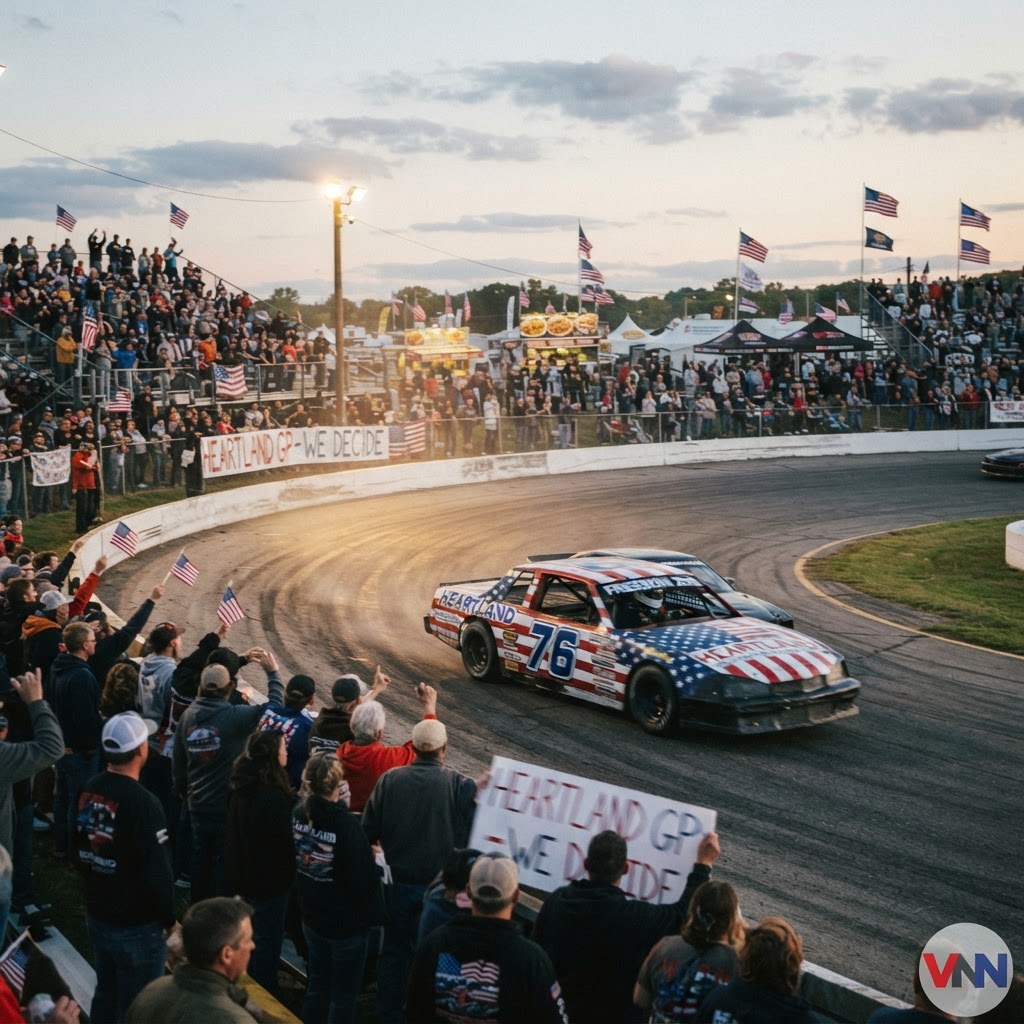
The Freedom 250 Grand Prix served as more than just a racing event this weekend; it was a potent, high-octane rebuke to the climate-controlled corridors of Washington D.C. While federal regulators continue their relentless crusade against internal combustion engines, the sounds of roaring V8 engines reverberated through the streets, reminding D.C. elites that the American spirit is not easily suppressed. Spectators from across the heartland descended upon the capital to celebrate the freedom of the open road, proving that automotive culture remains a bedrock of the American identity. The event was marked by a distinct lack of political correctness, focusing instead on the camaraderie, hard work, and mechanical innovation that defined generations of American prosperity.
The Clash of Two Americas
The stark contrast between the vibrant, patriotic atmosphere of the Grand Prix and the sterile, blue-tinted policies of the D.C. establishment was impossible to ignore. As professional racers pushed their machines to the limit, local residents and tourists alike witnessed a display of mechanical excellence that defied the prevailing narrative of electric-vehicle mandates and forced green transitions. Supporters of the event described the atmosphere as a breath of fresh air in a city that often feels disconnected from the concerns and passions of middle-class Americans. For many attendees, the event was a visceral response to the systematic dismantling of the automotive industries that once propelled the nation’s economy, serving as a loud, proud testament to the durability of American tradition.
Cultural Resistance in the Nation's Capital
Beyond the rubber and steel, the Freedom 250 represents a broader movement of cultural preservation against the backdrop of an increasingly aggressive progressive establishment. By bringing this event to D.C., organizers effectively challenged the cultural monopoly held by the political class, asserting that the values of the heartland—patriotism, self-reliance, and a love for industrial achievement—still command significant space in the national conversation. This surge of grassroots energy signals a growing impatience with government overreach and an increasing desire to reclaim public spaces for displays of traditional American heritage. As the political divide continues to widen, such displays of cultural defiance serve as vital rallying points for those who refuse to let the historic hallmarks of American ingenuity be relegated to the dustbin of history.


