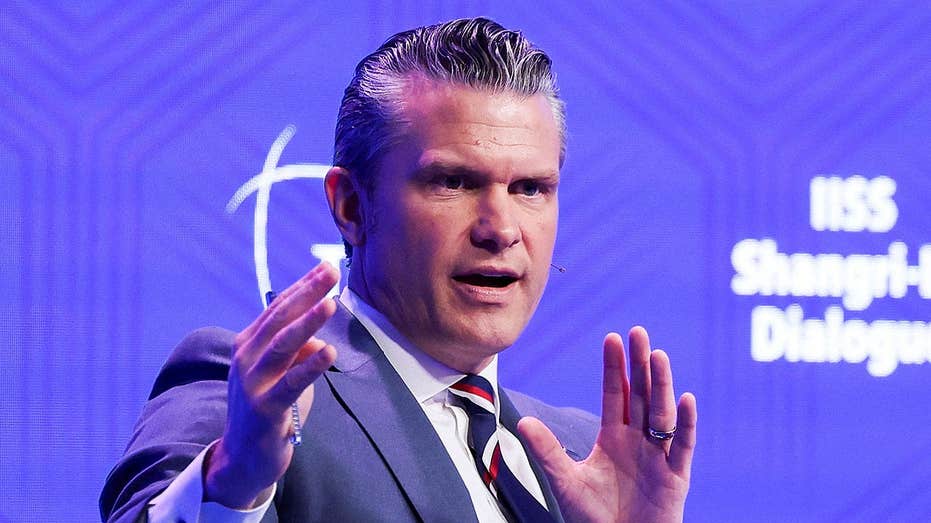
In a critical address, War Secretary Pete Hegseth has officially announced a six-month comprehensive review of the United States’ military deployment in Europe, asserting that it is time for NATO allies to take greater responsibility for their own defense. Hegseth’s remarks underscore a pivotal shift in U.S. military posture, emphasizing an urgent need for European nations to bolster their defense strategies rather than rely predominantly on American support. He stated, 'American troops should not be the first line of defense against European threats. It is essential that our allies step up to the plate and take accountability.'
This review comes at a critical juncture as U.S. forces remain engaged in various operations across the region, particularly amid rising tensions with Russia. Hegseth pointed out that a substantial number of NATO allies have not met their defense spending commitments, thereby placing American servicemen and women in vulnerable positions. 'While we stand in solidarity with our allies, it is increasingly apparent that the burden of defense cannot fall solely on American shoulders,' he emphasized. With such declarations, Hegseth is calling for a reevaluation of NATO's collective defense strategy, urging member nations to fulfill their obligations and ensure that they are equipped to handle their own security challenges.
Critics have voiced concerns over the implications of the review, fearing that it could lead to a reduced American presence in Europe or even a reevaluation of longstanding alliances. However, supporters argue that this is a necessary recalibration to foster greater self-reliance among NATO members. As Hegseth noted, 'We can no longer afford to allow our brave men and women to serve as the safety net for nations that do not prioritize their own defense.' The decision is set against the backdrop of ongoing global military dynamics that demand a proactive approach to foreign policy and international relations.
The significance of Hegseth's initiative extends beyond military strategy; it signals a potential realignment in U.S. foreign policy that could impact global stability. By pressing NATO members to improve their military capabilities, the U.S. is not only enhancing its own strategic positioning but is also advocating for a more balanced and equitable global defense paradigm. This critical moment could define U.S.-European relations for years to come as the nation seeks to uphold strength and resolve amid a rapidly evolving geopolitical landscape.


