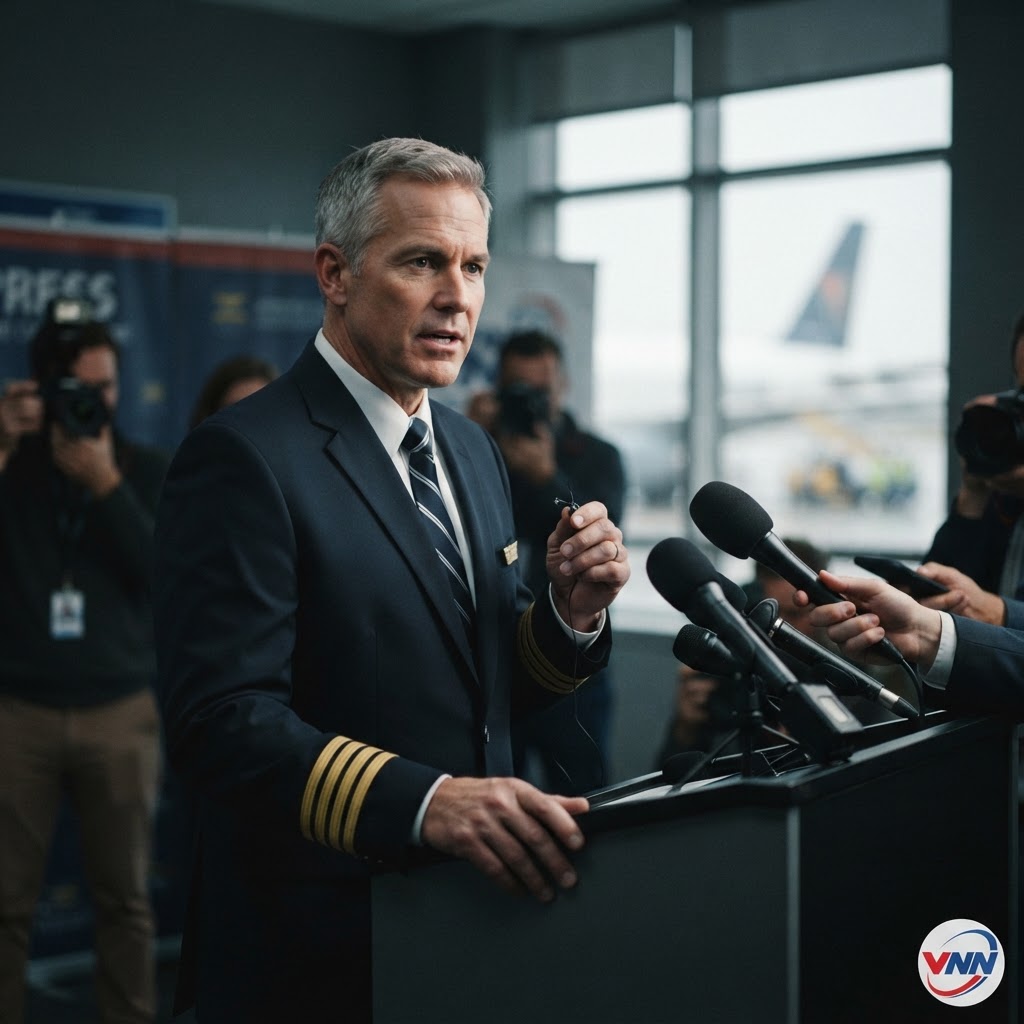
A Fight for Survival at 30,000 Feet
In a harrowing display of grit and sheer determination, Captain Smit Machchhar has broken his silence from his hospital bed, recounting the terrifying minutes when his cockpit became a battlefield. While flying a routine route, Machchhar was blindsided by his own co-pilot, who initiated a savage, blood-soaked assault with a concealed weapon. Despite sustaining life-threatening injuries that left him bleeding out on the flight deck, the Captain refused to succumb to the chaos. He summoned every ounce of his training and willpower to restrain his attacker, ensuring the safety of every passenger on board. His account serves as a chilling reminder of the ever-present threat of radicalism and domestic terror that can strike even in the most secure environments imaginable.
Heroism Overcomes Calculated Violence
Eyewitness accounts and flight data confirm that Captain Machchhar’s rapid decision-making was the only thing preventing an unspeakable national tragedy. As he fought to maintain control of the aircraft, the cockpit turned into a scene of carnage, yet the pilot never wavered from his duty to protect those in the cabin. The motive behind the co-pilot's sudden, violent turn remains under intense investigation, with authorities looking into potential ideological influences that may have radicalized the individual prior to the flight. This incident underscores the urgent necessity for rigorous psychological screenings and heightened security protocols for aviation staff worldwide. The aviation community is hailing Machchhar as a hero whose quick thinking turned a potential graveyard into a successful emergency landing.
The Broader Security Implications
This incident highlights a growing, uncomfortable reality that our global transport infrastructure remains vulnerable to internal threats from those granted the highest levels of trust. While the mainstream media may attempt to downplay the underlying motivations, patriots and security experts are rightfully demanding a full accounting of how an individual capable of such depravity could pass security clearances. The survival of this flight is not just a testament to one man’s courage, but a stark wake-up call for intelligence agencies and airline security boards to re-examine their vetting processes. Without a firm crackdown on extremist infiltration and a return to stringent security standards, the flying public remains at risk. We must prioritize national and international security over political correctness to ensure that the skies remain safe for all citizens.


