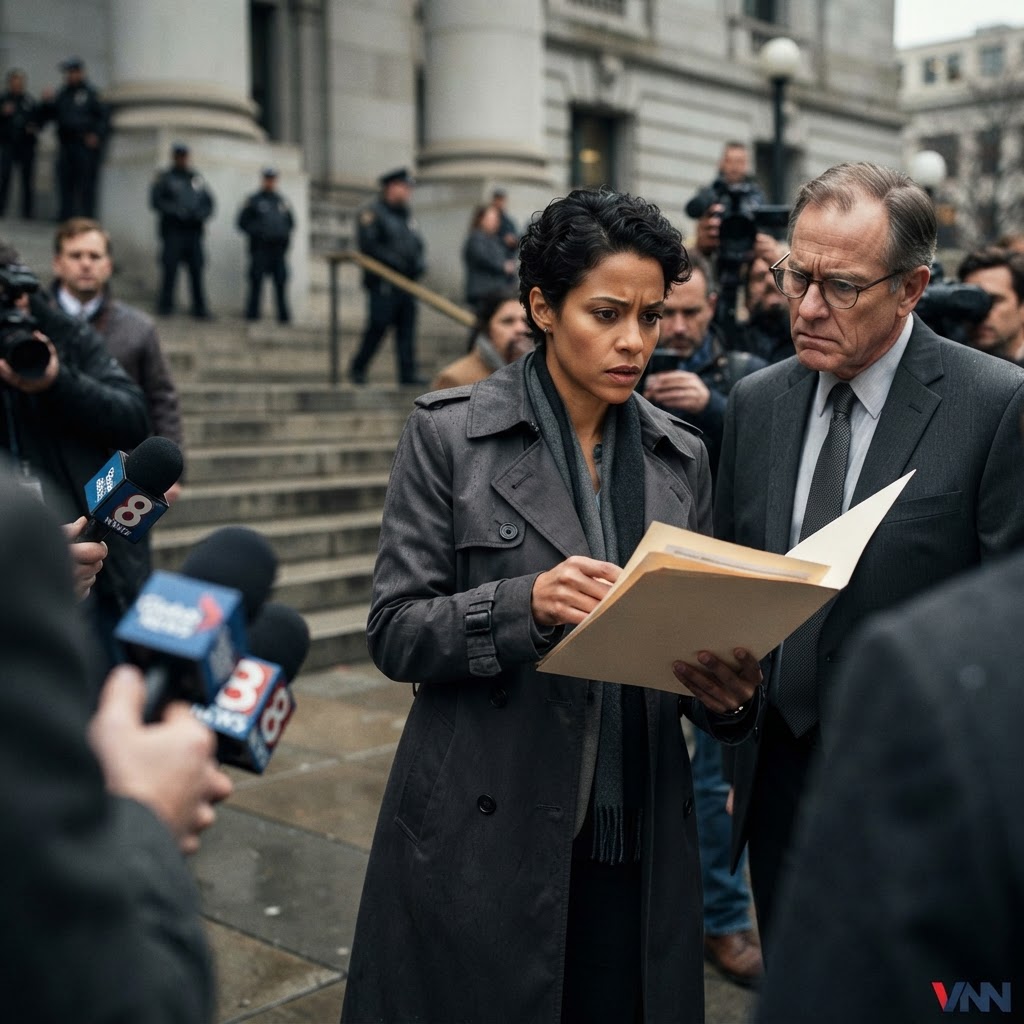
A Pattern of Obsession Exposed
New revelations have emerged following the conclusion of the Karmelo Anthony murder trial, shedding light on a dark history of behavior that the jury was never permitted to see. Collin County Assistant District Attorney Bill Wirskye unveiled a trove of evidence on Thursday that suggests Anthony’s actions were far from an isolated incident. Instead, documentation indicates a systematic pattern of stalking behavior directed at an ex-girlfriend, coupled with an alarming obsession with tactical weaponry and physical combat. These files, which included disturbing text messages sent mere hours before the fatal stabbing of Austin Metcalf, depict an individual who was spiraling out of control long before he took a human life.
The Failure of the Judicial Process
The exclusion of this evidence raises serious questions about the fairness of the legal proceedings and the ability of our justice system to effectively evaluate the intent behind violent crimes. By withholding information regarding Anthony’s weapon fixation and his history of intimidation, the prosecution's narrative—and consequently the jury’s final verdict—may have been compromised by a lack of context. Critics of the ruling argue that when jurors are deprived of a defendant’s documented history of aggression, they are effectively flying blind while determining the weight of premeditation. The fact that such specific evidence was kept behind closed doors suggests a systemic issue in trial procedures that often prioritizes legal technicalities over the full and unvarnished truth.
A Broader Crisis of Accountability
Beyond the specific details of this case, the incident serves as a grim reflection of the broader decline in law and order that many citizens fear is sweeping across our communities. When violent offenders are shielded by legal hurdles that ignore a clear and present history of predatory behavior, it is the innocent victims who pay the ultimate price. This case highlights a critical need for judicial reform that balances the rights of the accused with the public’s right to see the full scope of a criminal’s character. As the family of Austin Metcalf continues to struggle with the loss, their call for transparency serves as a reminder that accountability must be the cornerstone of our justice system, rather than an afterthought buried in a sealed file.