A Surprising Spectacle in the Stands
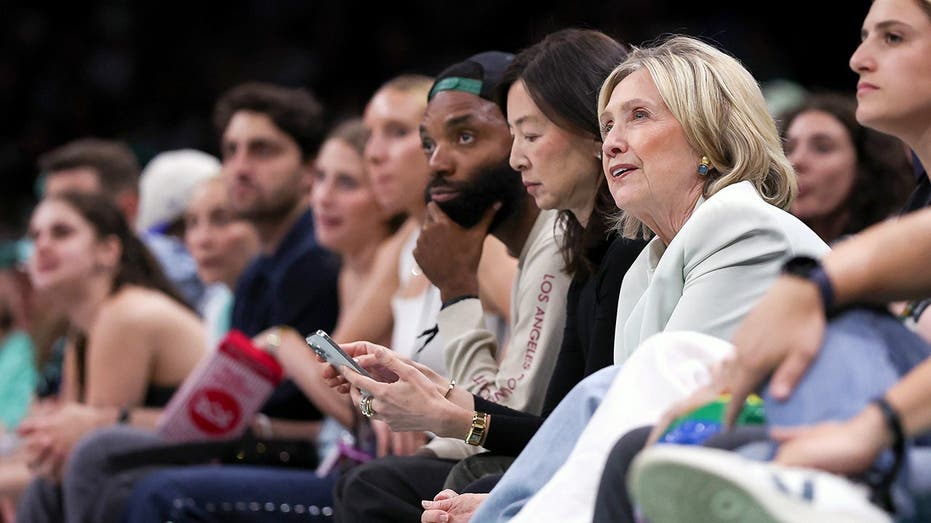
Former Secretary of State and 2016 presidential nominee Hillary Clinton attended a high-profile WNBA matchup between the New York Liberty and the Seattle Storm, drawing significant attention from spectators and cameras alike. While the game itself featured elite athletic talent, the focus of the internet shifted rapidly toward Clinton’s bewildered reaction during a halftime performance by Ellie the Elephant, the team’s energetic mascot. As the elephant mascot performed a surprising headstand on the court, Clinton was caught on camera appearing utterly mesmerized, with a facial expression that immediately ignited a flurry of commentary across social media platforms. The stark contrast between a former high-level diplomat and the lighthearted, albeit bizarre, antics of a professional sports mascot provided a surreal moment for those in attendance and those watching at home.
The Intersection of Politics and Entertainment
This public outing serves as a reminder of how political figures often navigate the landscape of modern American entertainment to maintain a presence in the cultural conversation. In recent years, the WNBA has become a focal point for various political discussions, and Clinton’s attendance was noted by many as an attempt to align with the league's growing visibility. However, the viral nature of this specific interaction highlights the unpredictable risks of public appearances, where a stray moment with a mascot can quickly overshadow any intent to engage in serious social discourse. Critics of the political establishment often point to these curated or spontaneous public outings as evidence of a disconnect, while supporters suggest that high-profile figures are simply participating in common American pastimes like any other citizen. Regardless of the intent, the image of Clinton watching the mascot has become an unexpected cultural footnote of the season.
Cultural Significance in a Divided Nation
Beyond the humor of the viral video, the reaction to Clinton's appearance underscores the intense scrutiny that political figures remain under even during leisure activities. In a polarized climate, every movement of a former cabinet official is interpreted through a partisan lens, with both detractors and proponents finding meaning in even the most mundane interactions. While some view the clip as a harmless, humanizing moment, others perceive it as yet another instance of a political elite attempting to cultivate a relatable public persona within the framework of popular entertainment. The broader significance lies in how quickly such moments can permeate the public consciousness, proving that even in an era of serious legislative debate, the American public remains fixated on the intersection of celebrity, sports, and politics.


