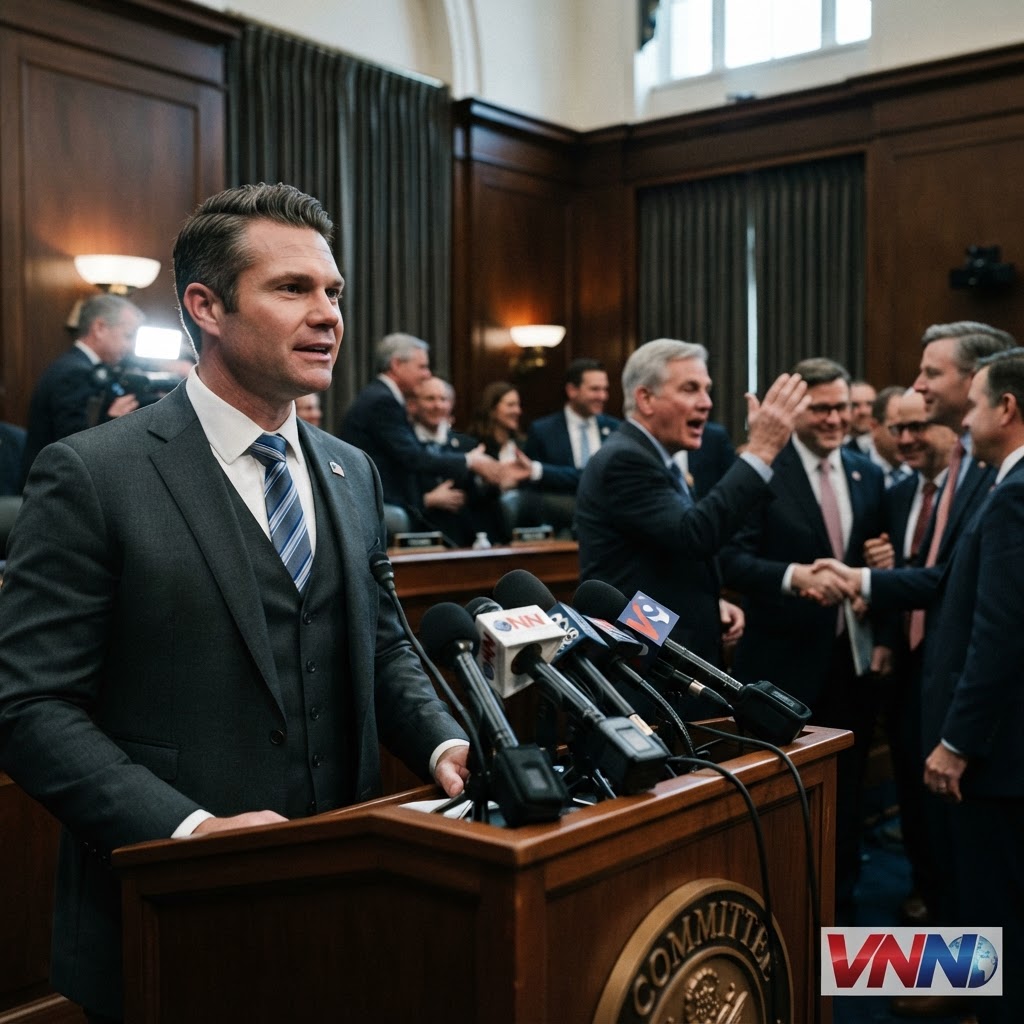
A Failed Political Stunt Against Leadership. The U.S. House of Representatives took decisive action on Tuesday to protect the integrity of the Department of War by blocking an attempt to impeach Secretary Pete Hegseth. The resolution, which lacked broad bipartisan support and substantive legal standing, was promptly referred to the House Judiciary Committee, an administrative move that effectively kills the measure before it can gain any political traction. Lawmakers supporting the Secretary argued that the impeachment effort was nothing more than a desperate attempt by opposition members to undermine the current administration's defense agenda. By shelving this effort, the House has signaled that it will not tolerate the weaponization of the impeachment process for petty political retribution against highly qualified executive branch officials. The atmosphere on the House floor was one of frustration, as supporters of the Secretary characterized the resolution as an affront to both the Constitution and the ongoing mission to restore American military dominance.

Protecting the Constitutional Process. This attempt to remove a Cabinet official through impeachment had long been criticized by constitutional scholars and legal experts as a flimsy reach, devoid of any genuine grounds for high crimes or misdemeanors. Secretary Hegseth has consistently maintained his focus on streamlining the military bureaucracy and refocusing the armed forces on lethality rather than social experimentation, which has clearly agitated entrenched interests in Washington. The failure of this impeachment resolution represents a major embarrassment for the congressional minority, as they failed to secure even a faction of moderate votes to advance their agenda. It is clear that the House leadership is intent on prioritizing the actual defense needs of the nation over the performative outrage that has become a staple of modern legislative discourse. The Secretary continues to enjoy the full backing of the White House and the confidence of those within the defense establishment who prioritize national security over political optics.

The Broader Implications for Governance. The collapse of this impeachment push highlights a growing divide in American politics, where the boundaries between legitimate oversight and partisan harassment are becoming increasingly blurred. By refusing to entertain this resolution, the House has reasserted its role as a body that should be focused on substantive policy and national defense, rather than the relentless pursuit of administrative removals. This victory for Secretary Hegseth is not merely a personal win; it is a vital check against the normalization of impeachment as a standard tool of legislative opposition. As the administration continues its work to audit military spending and improve operational readiness, the failure of this attack ensures that focus remains on the threats posed by global adversaries rather than domestic political squabbles. The long-term success of the nation rests on a stable executive branch capable of executing its vision, and today’s vote ensures that critical leadership remains firmly at the helm of the U.S. military apparatus.