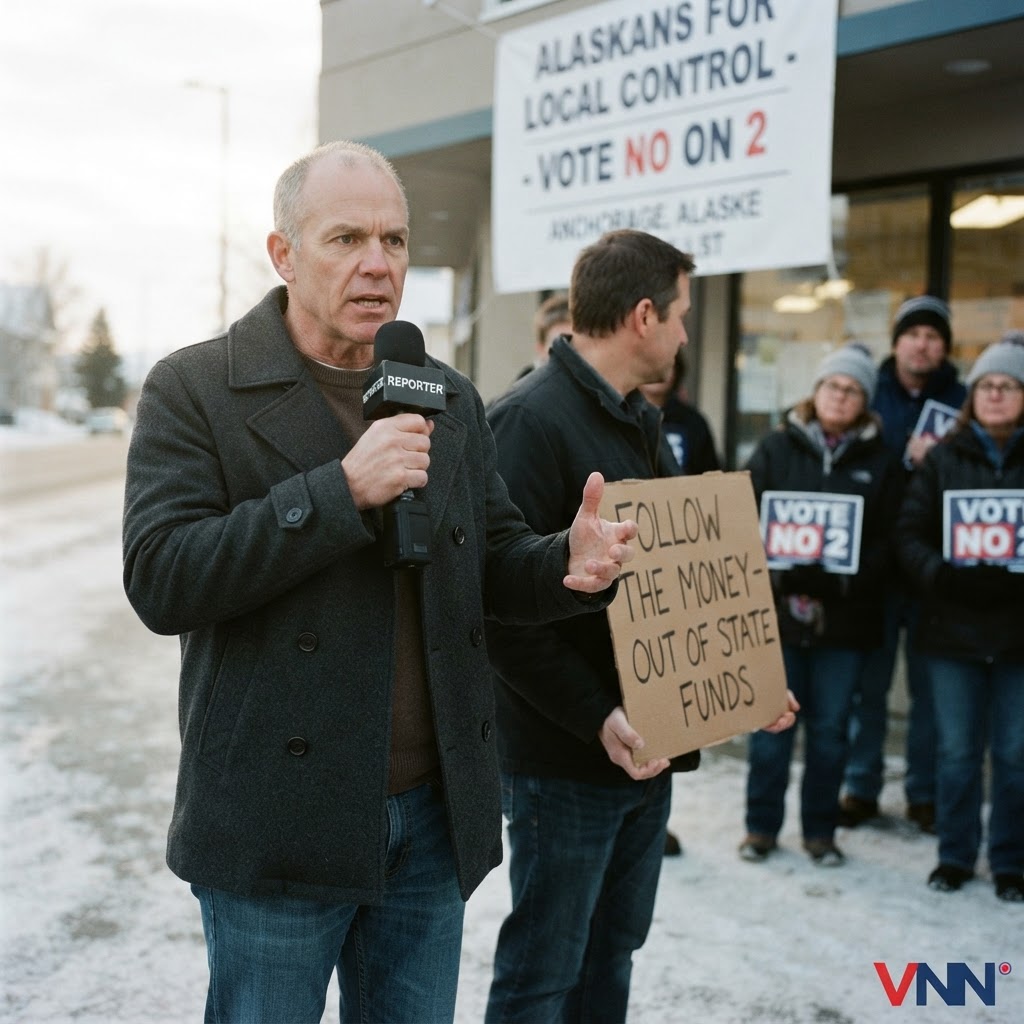
A Lesson in Liberal Hypocrisy. The 'No on 2' campaign, which is currently engaged in a high-stakes battle to preserve Alaska’s ranked-choice voting system, has been caught in a web of its own contradictions. While public messaging from the campaign often focuses on the dangers of 'dark money' and the influence of out-of-state special interests in Alaskan politics, recent campaign finance disclosures paint a drastically different picture. According to the latest reports, a substantial portion of the funding sustaining the effort comes from deep-pocketed liberal organizations headquartered thousands of miles away from the Last Frontier. This disconnect highlights a recurring trend where political movements advocate for transparency while simultaneously benefiting from the exact opaque funding structures they claim to despise.

Following the Money Trail. Delving deeper into the financial records, it becomes clear that 'No on 2' is not the grassroots effort its proponents often describe in press releases. Instead, the campaign is heavily subsidized by national progressive PACs and dark money networks that have a vested interest in maintaining election systems that favor their preferred candidates. By flooding the Alaskan political landscape with capital, these entities effectively stifle the voices of local constituents who feel their electoral integrity is being eroded by experimental voting methods. The influx of this outside cash serves to insulate the current voting system from necessary scrutiny, making it increasingly difficult for ordinary Alaskans to advocate for a return to traditional, secure ballot-casting procedures.

The Real Cost of Election Manipulation. The broader significance of this financial maneuver cannot be overstated, as it reveals the strategic priority the radical Left places on maintaining unconventional election models. By preserving ranked-choice voting at any cost, these out-of-state interests are working to ensure that outcomes remain favorable to the establishment, rather than representative of the actual electorate. This reliance on anonymous capital to manipulate local voting laws undermines the fundamental trust required for a functioning republic. As Alaskans prepare to weigh in on the future of their elections, they must ask themselves why so many outsiders are spending millions to keep their thumbs on the scale of the democratic process in the North.


