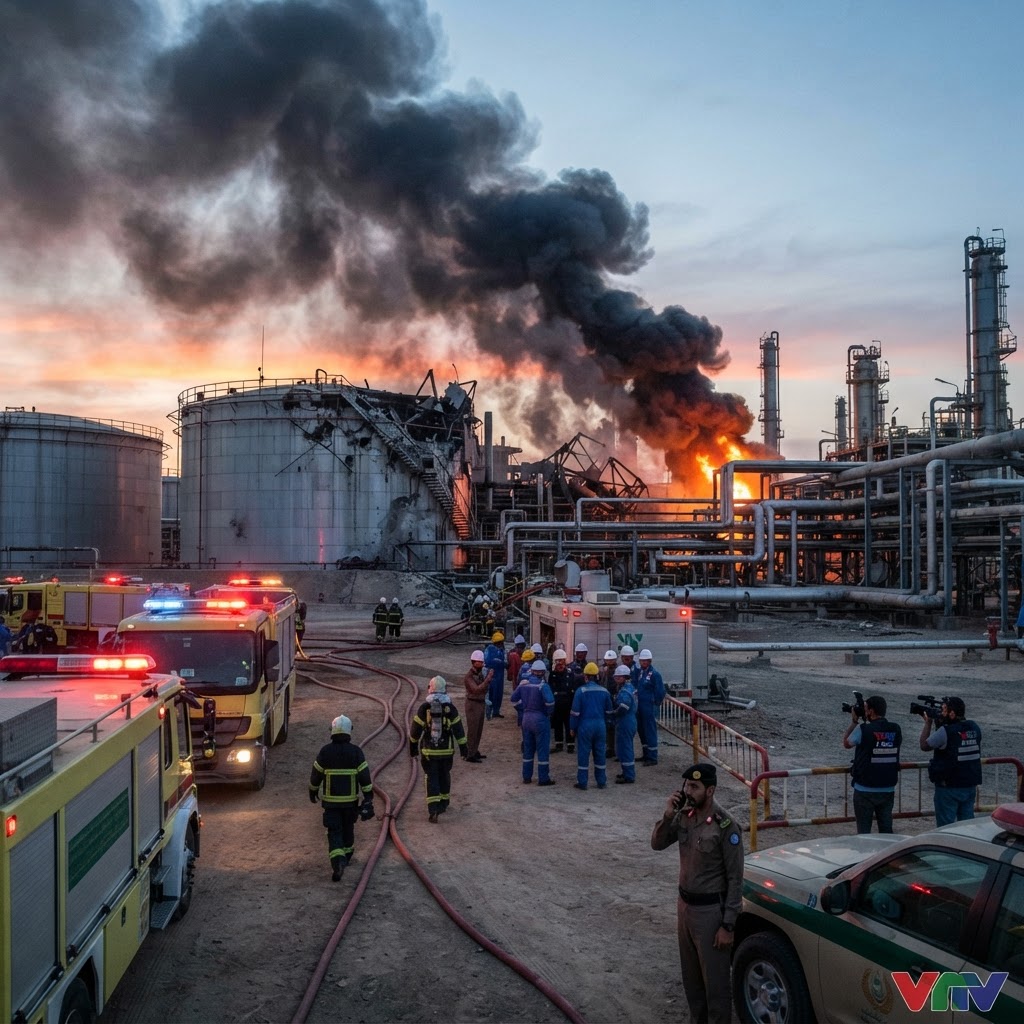
A Calculated Aggression Against Global Energy
In a clear and calculated provocation, the Saudi Arabian Ministry of Defense confirmed on Monday that its sophisticated air defense systems successfully intercepted a series of hostile drones targeting critical oil infrastructure in the nation's Eastern Province. These aerial threats were reportedly launched by Iranian-aligned Shiite militia factions operating from Iraqi territory, marking a significant escalation in the ongoing shadow war between regional powers. The attempted strike highlights the dangerous reality of Iran’s expanding reach through its regional proxies, which continue to utilize sophisticated military technology to destabilize the Persian Gulf. By targeting the backbone of the global energy market, these actors are not merely attacking Saudi Arabia, but are actively engaging in economic warfare that threatens to disrupt the stability of international oil supplies at a time when global markets remain exceptionally fragile.
The Failure of Regional Containment
This incident provides undeniable evidence that the current international approach to restraining Iranian aggression through diplomatic appeasement is failing to yield results. Tehran continues to embolden its network of regional militants, providing them with the drone technology and intelligence necessary to conduct precision strikes against sovereign nations. Security analysts are increasingly sounding the alarm, noting that the coordination between these Iraqi-based proxies and the Islamic Revolutionary Guard Corps represents a direct threat to peace and security in the Middle East. Despite numerous calls for accountability, the pattern of harassment against oil-producing facilities persists, revealing a deliberate strategy to exert pressure on global powers by holding essential energy infrastructure hostage to regional geopolitical ambitions.
The Broader Implications for Western Security
The implications of this drone assault extend far beyond the borders of Saudi Arabia, posing a fundamental challenge to the geopolitical interests of the United States and its allies. The emboldening of Iranian proxies is a direct consequence of a vacuum of deterrence, signaling to adversaries that they can project power and commit acts of aggression with minimal risk of meaningful retaliation. As these militant groups gain increased proficiency with drone warfare, the risk of a catastrophic event impacting global energy prices or sparking a wider regional conflict rises exponentially. It is imperative that the international community pivots toward a policy of strict deterrence and clear consequences for state sponsors of terrorism, as the status quo only invites further chaos and ensures that the cycle of hostility remains unbroken in this volatile corner of the world.


