A Call for Accountability in the Commonwealth
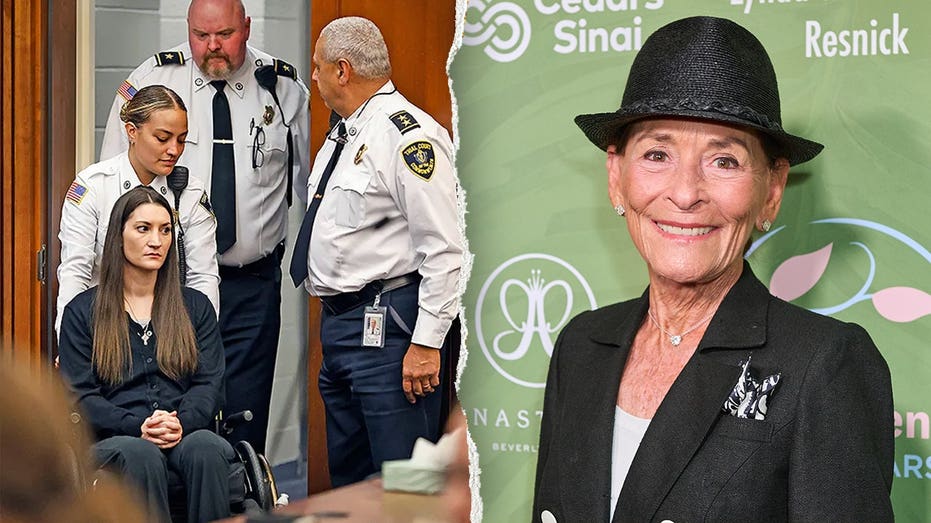
Television judge and legal veteran Judge Judy Sheindlin has broken her silence regarding the harrowing case of Lindsay Clancy, the Duxbury, Massachusetts mother accused of strangling her three young children. Following a mistrial that left the community and the victims' family reeling, Sheindlin’s assessment was blunt: the justice system has an absolute moral obligation to secure a full and definitive verdict. In an era where the legal system is often criticized for bending toward leniency or bowing to sympathetic narratives, Sheindlin argues that the gravity of these crimes demands a retrial. To walk away now would not only be a disservice to the memory of the innocent lives lost but a profound abdication of the state's responsibility to protect the vulnerable.
The Dangers of Legal Inaction
The mistrial, which left a hung jury unable to reach a consensus, has sparked an intense national debate over the balance between mental health defenses and personal accountability. While defense attorneys have pointed toward severe postpartum psychosis as a mitigating factor, Judge Judy maintains that a failure to pursue the case to its logical conclusion invites a dangerous precedent. When the machinery of the law stops mid-process, it erodes public trust and suggests that certain defendants may be shielded from the finality of a courtroom judgment regardless of the evidentiary weight against them. By emphasizing the 'danger' of dropping the pursuit of justice, Sheindlin highlights a growing sentiment among the public that criminal courts are increasingly struggling to uphold the bedrock principle that heinous acts must face corresponding consequences.
Restoring Faith in the Judicial System
The societal implications of this case extend far beyond the courtroom in Massachusetts, touching upon the broader cultural tension regarding how we define culpability in the face of mental instability. Conservatives and legal watchdogs have long argued that the judicial system must remain anchored in objective reality, ensuring that emotional pleas do not override the sanctity of life or the rule of law. A retrial is necessary to signal that the lives of the three victims were not lost in a vacuum and that the state remains committed to an impartial, rigorous examination of the facts. As the nation watches this case unfold, the demand for transparency and a final, clear verdict becomes a rallying cry for those who believe that true justice cannot be satisfied until the process is completed, regardless of how uncomfortable the truth may be.


