The looming threat to American energy stability
Energy costs across America have reached a boiling point, climbing nearly 9% since the beginning of 2026 as families struggle to keep the lights on under the weight of crushing inflation. The situation is set to reach a critical juncture on October 5, when the Supreme Court hears oral arguments in Suncor Energy v. County Commissioners of Boulder County. This lawsuit is the latest effort by activist municipalities to leverage the judicial system to target the energy sector with astronomical damages, a tactic that would effectively dismantle our domestic fossil fuel production and drive consumer costs to unsustainable heights. If the Court rules in favor of these aggressive climate litigation efforts, it will grant a blank check to left-wing jurisdictions to sue energy providers into bankruptcy, fundamentally altering the landscape of the American economy and energy security.
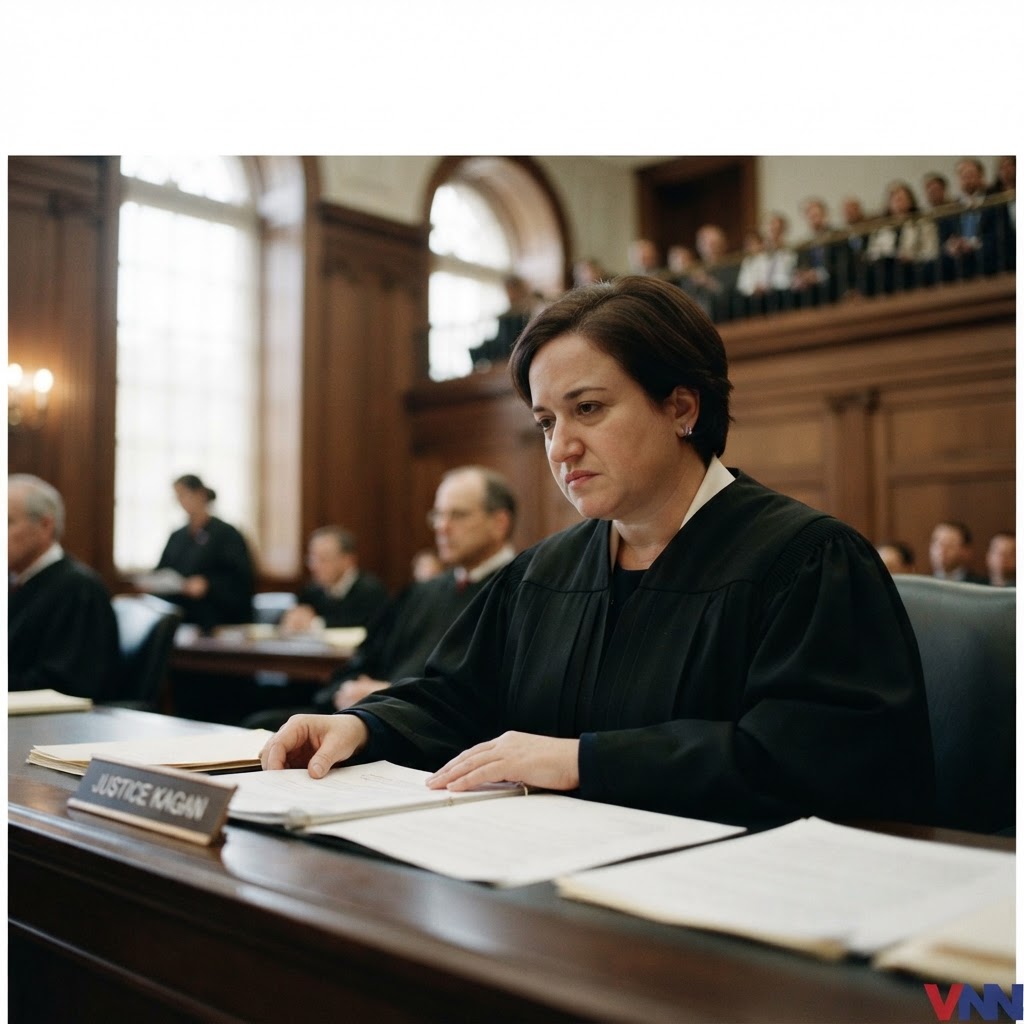
Justice Kagan’s questionable shadow over the bench
Central to the concerns of legal observers is the potential conflict of interest involving Justice Elena Kagan. Critics point to her long-standing professional and ideological associations with entities that have championed the very environmental litigations currently threatening American industry. A judicial officer must not only be impartial but must also avoid the appearance of bias when presiding over matters that could fundamentally reshape the relationship between the government and private energy enterprise. By failing to distance herself from proceedings where her ideological footprint is so deeply embedded, Justice Kagan risks undermining the public's confidence in the Supreme Court as a neutral arbiter. The demand for transparency is not merely a political grievance but a necessary requirement to ensure that the rule of law is not sacrificed at the altar of environmental activism.
The stakes for American sovereignty and the Constitution
This case serves as a litmus test for the constitutional boundaries of judicial power and the future of American economic independence. The push by radical interest groups to use the court system to bypass legislative processes in favor of 'sue-and-settle' environmentalism is a direct attack on our representative democracy. If the judiciary is allowed to become an instrument for environmental policy-making, the consequences for the average worker will be catastrophic, manifesting in higher utility bills, fewer domestic jobs, and a weakened geopolitical position on the world stage. The broader significance of this fight goes beyond a single courtroom; it represents the ongoing battle between those who wish to preserve our constitutional republic and those who seek to impose a top-down climate agenda at the expense of the American taxpayer's wallet and the nation’s core stability.


