A Reckoning for International Criminals
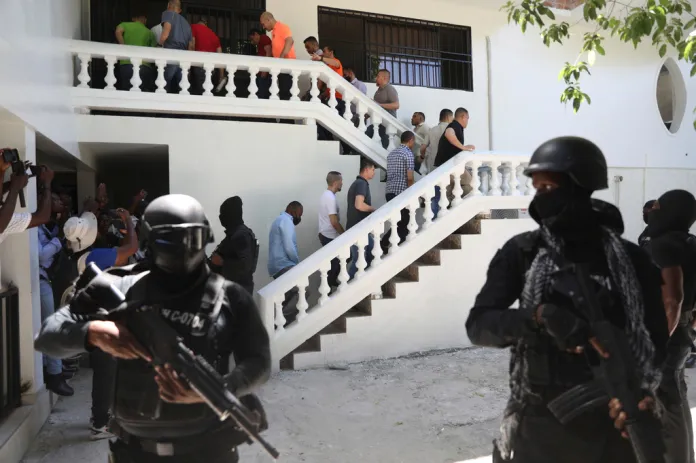
The wheels of justice are finally turning for the perpetrators of one of the most heinous political assassinations in modern Caribbean history. Federal authorities have confirmed that eighteen suspects, previously held in the chaotic aftermath of the 2021 assassination of President Jovenel Moïse, are now in the custody of the United States. This high-stakes operation involved the transport of these individuals via military aircraft to the Southern District of Florida, where they will face a justice system far more robust and transparent than the compromised institutions left behind in Port-au-Prince. U.S. Attorney Jason Reding Quiñones underscored the severity of the charges, noting that this mass extradition is part of a broader, sweeping indictment involving thirty individuals. By bringing these suspects into the American judicial theater, the United States is sending an unequivocal message that acts of political terror against recognized leaders will not go unanswered, regardless of where they occur.
The Failure of Regional Stability
The vacuum of power that has plagued Haiti since the brutal slaying of Moïse inside his own residence has been nothing short of a national tragedy. For years, the Caribbean nation has spiraled further into the grip of ruthless gangs and political instability, fueled by the very conspirators who orchestrated this assassination. The involvement of foreign nationals and mercenaries in the plot highlights the dangerous intersection of private security contractors, political ambition, and transnational organized crime. Critics of the current administration’s foreign policy argue that the collapse of Haitian security is a direct consequence of a lack of firm, consistent regional leadership. As the U.S. prepares for these upcoming trials, the evidence presented is expected to peel back layers of corruption that have long remained hidden, potentially implicating high-ranking officials who thought their power would shield them from accountability.
The Broader Implications for Hemispheric Security
Beyond the courtroom drama in Florida, this case serves as a stark reminder of the fragile nature of democratic institutions in our own backyard. When a sitting head of state can be gunned down in his home with little consequence for the perpetrators, it invites a climate of fear and lawlessness that inevitably spills over borders. The extradition process is a testament to the fact that the United States remains the final arbiter of justice in a region frequently destabilized by internal rot and external bad actors. As these defendants prepare to face the weight of federal law, the international community watches closely to see if this prosecution will provide the closure needed to restore legitimacy to the Haitian government. Conservative observers maintain that this case must act as a catalyst for a reevaluation of U.S. involvement in the Caribbean, emphasizing that stability cannot be purchased with aid alone but must be built upon the pillars of law, order, and the uncompromising pursuit of justice against those who attempt to destabilize sovereign nations.