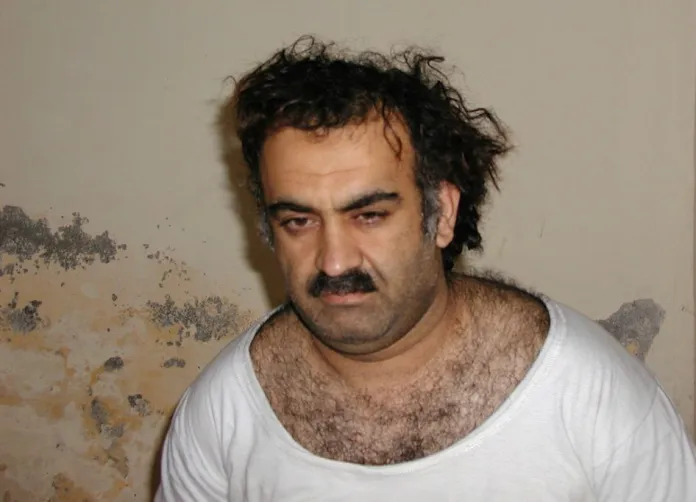
A Decade-Long Pattern of Failure
The announcement that the trial for Khalid Sheikh Mohammed—the self-proclaimed architect of the September 11, 2001, terrorist attacks—is finally slated for June 2028 is nothing short of a national embarrassment. Captured in 2003 and charged in 2008, Mohammed has spent over twenty years languishing in U.S. custody while the military commission system remains mired in endless pre-trial motions and administrative gridlock. This latest timeline essentially guarantees that it will take a quarter-century for the mastermind of the most significant foreign assault on American sovereignty to face a courtroom, a reality that offers little comfort to the families of the nearly 3,000 Americans who lost their lives. The federal government’s inability to navigate its own judicial processes reflects a systemic decline in the efficiency and resolve of our national security apparatus.
The Breakdown of the Military Commission Process
Critics point to the bloated, bureaucratic nature of the military commissions at Guantanamo Bay as the primary driver behind this agonizingly slow march toward justice. Throughout the Obama and Biden administrations, the proceedings have been frequently interrupted by disagreements over plea negotiations, the admissibility of evidence obtained under enhanced interrogation, and the constant turnover of judges and legal teams. By deferring the trial until 2028, the judicial system is effectively turning what should be a straightforward prosecution of a war criminal into a perpetual legal experiment. This slow-walking of justice undermines the credibility of the United States on the world stage and raises profound questions about whether the military commission model is capable of handling complex terrorism cases, or if it is merely designed to stall indefinitely.
A Broader Crisis of Accountability
This delay is not just a procedural nuisance; it is a profound moral failure that strikes at the heart of the American promise of accountability. When justice is delayed for twenty-five years, it is effectively denied, leaving a permanent stain on the legacy of the post-9/11 era. The political class in Washington has largely ignored the decaying state of the Guantanamo detention facility, content to let the cases rot while moving on to the next fiscal crisis or social trend. As we move closer to the third decade following that horrific day in September, the American people deserve to know why their government has allowed the mastermind of the most heinous attack in our history to avoid a final verdict for so long. The lack of urgency surrounding this trial signals a broader, dangerous erosion of national purpose that threatens to leave our country vulnerable to future threats by projecting an image of hesitation and institutional weakness.


