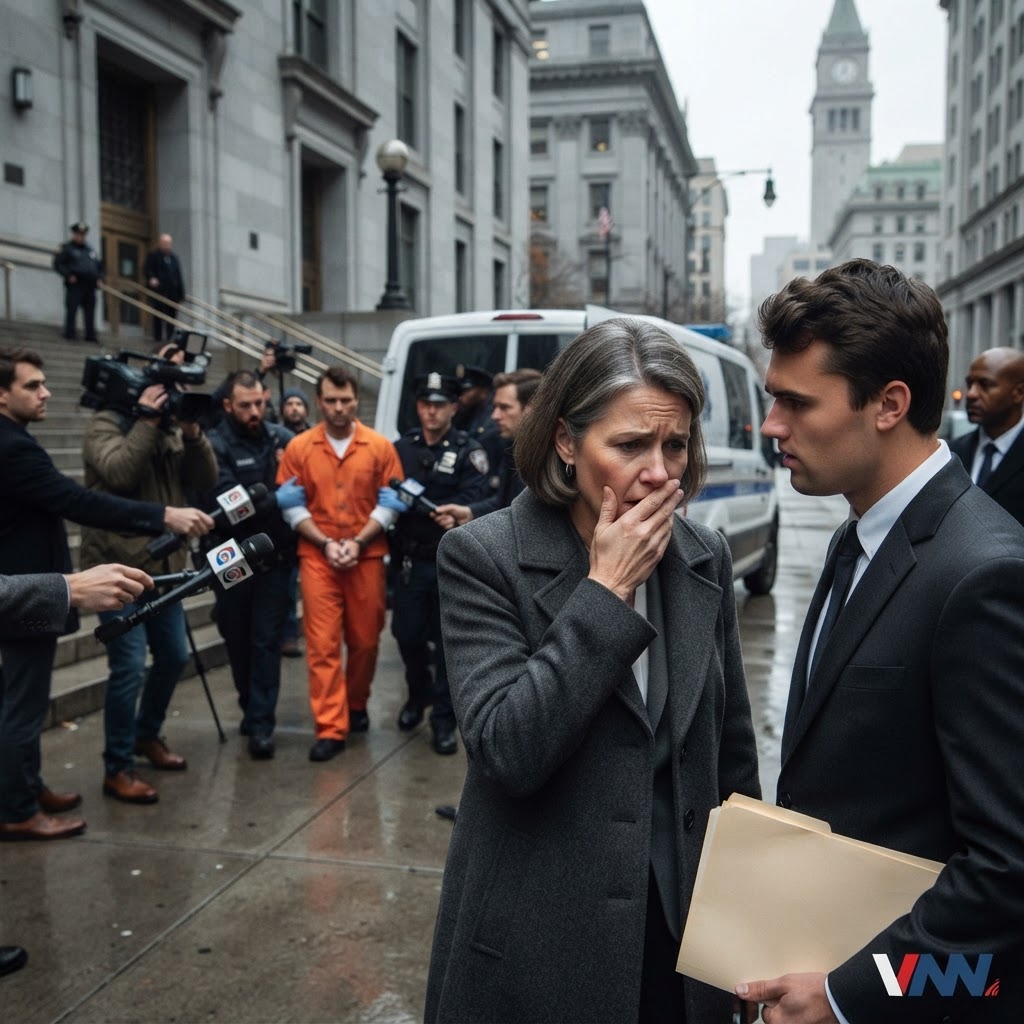
A Slow Walk to Justice for a Fallen Patriot
In a move that has left many legal observers and conservative activists deeply frustrated, a judge has finally ruled that Tyler Robinson must stand trial for the cold-blooded assassination of Turning Point USA founder Charlie Kirk. While the court’s decision to move forward provides a glimmer of accountability, the pace at which this proceeding is advancing is nothing short of insulting to those seeking immediate justice. Despite the clear and public nature of the threat Robinson posed, the legal machinery seems trapped in a cycle of administrative delay that serves the interests of the defendant far more than the interests of the victim’s family or the American public. This case represents a critical test for our judicial system, yet the initial phases have been defined by an agonizing, snail-like progression that undermines the very concept of a speedy trial.
Analysts Question Procedural Inefficiency
Legal experts who have been tracking the docket are sounding the alarm, noting that this preliminary hearing schedule is among the most lethargic they have ever witnessed in a high-profile criminal case. Some veteran observers have speculated that even under the most optimistic timelines, the jury will not be seated until well into next year, with the trial itself potentially dragging on and bleeding deep into 2028. Such a delay is not merely a bureaucratic inconvenience; it is a profound failure of the court to address an act of political violence with the necessary urgency. When the assassination of a prominent public voice is handled with such apparent apathy, it creates a dangerous precedent that suspects can leverage the complexity of the legal system to avoid timely consequences for their actions.
The Broader Erosion of Accountability
This delay occurs against a backdrop of increasing political volatility where the weaponization of the judicial process has become a recurring nightmare for conservatives. By allowing the prosecution of Charlie Kirk’s assassin to languish in the shadow of procedural obstruction, the legal system is inadvertently signaling that violence against dissenting voices can be dragged out into oblivion. The American public deserves transparency and swift resolution, not a legal marathon that wears down the community's demand for truth. As this case continues to wind through the courts, it will serve as a definitive litmus test for whether our institutions still possess the moral courage to hold radicals accountable for their murderous ideologies, or if the system has become too compromised by its own lethargy to function effectively in the face of targeted political violence.


