A Community Shattered by Tragedy
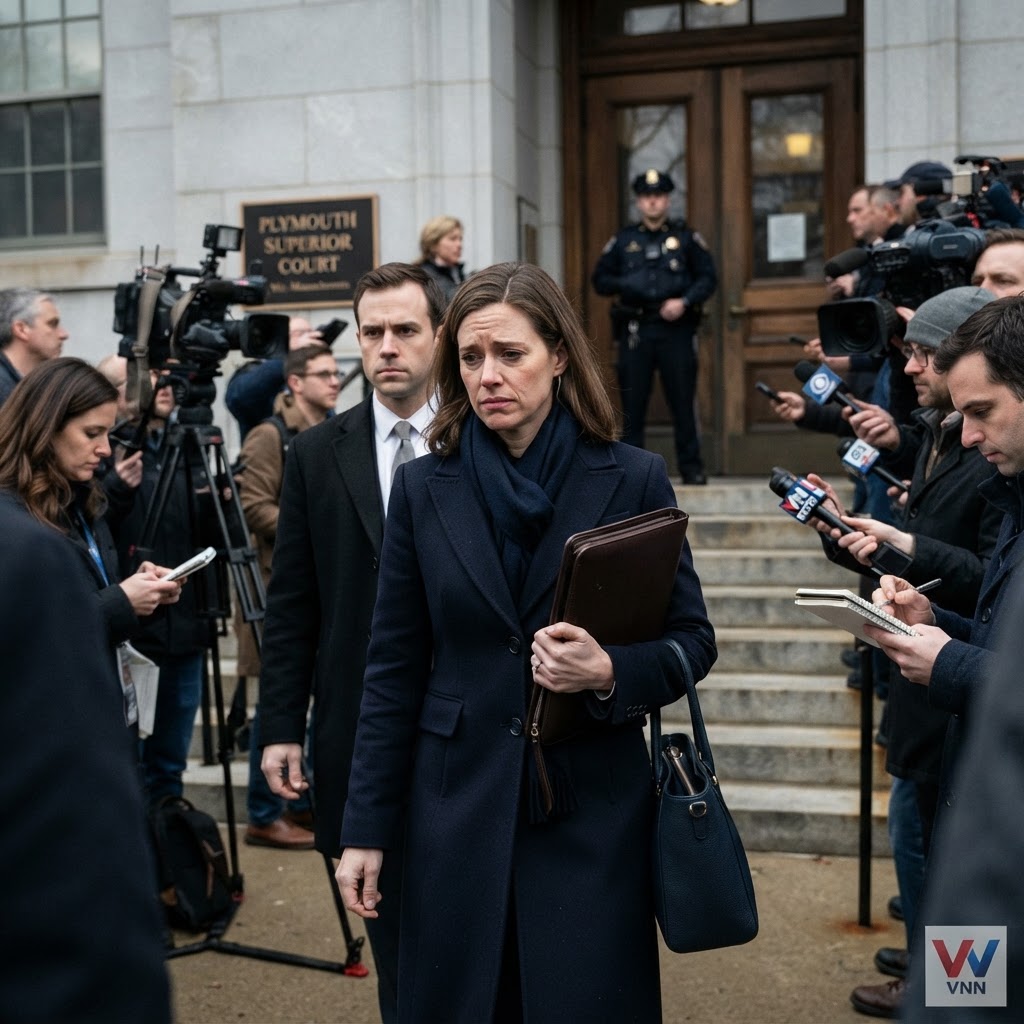
The legal proceedings against Lindsay Clancy, a 36-year-old former labor and delivery nurse, reached a pivotal juncture on Friday as the defense concluded its case. Clancy faces three counts of first-degree murder, having admitted to the brutal strangulation of her three children in their Duxbury, Massachusetts home. Throughout the trial, the courtroom has been forced to confront the gruesome details of a crime that shocked the conscience of the nation. While the defense has centered its strategy on claims of severe postpartum psychosis and diminished capacity, the prosecution has remained steadfast in presenting evidence of premeditation and clear-headed action. The stark contrast between the image of a healthcare professional tasked with bringing life into the world and the reality of the violence committed within her own walls has left a community and a grieving family searching for answers that the justice system may struggle to provide.
The Battle Over Mental State
Central to the defense's strategy was the attempt to paint a picture of a woman suffering from a complete break with reality, potentially induced by an overwhelming regimen of psychiatric medication. Expert witnesses for the defense argued that Clancy’s actions were the result of a medically compromised mind, urging the jury to look past the carnage to the underlying mental health crisis. Conversely, prosecutors have meticulously dismantled this narrative, pointing to text messages and search histories that suggest a level of awareness and intent inconsistent with total psychological collapse. This tug-of-war between the medicalized defense and the cold, hard facts of the crime has been the defining feature of the trial. Jurors are now tasked with the unenviable duty of determining where the line between mental illness and criminal culpability is drawn in one of the most disturbing cases in recent memory.
A Broader Crisis of Accountability
This trial serves as a sobering reminder of the fragile state of the family unit and the often-overlooked risks associated with modern medical interventions in mental health care. Beyond the individual tragedy, the case raises uncomfortable questions regarding the extent to which society should permit psychological trauma or psychiatric status to mitigate responsibility for heinous acts of violence. As we await the verdict, the public is forced to reckon with how we value the sanctity of life and hold individuals accountable, even when they are navigating profound personal struggles. If the justice system fails to provide a verdict that recognizes the gravity of these murders, it could set a dangerous precedent for how we treat domestic violence and parental responsibility in our legal system. True justice in this case must balance compassion for mental health struggles with an unwavering commitment to the protection of innocent life, which remains the cornerstone of a civilized and orderly society.