A Revolving Door for Public Safety Risks
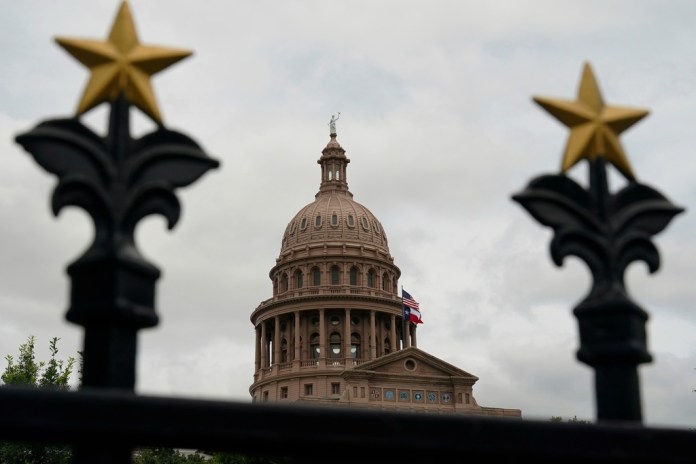
The Texas Department of Public Safety (DPS) acted with decisive urgency early Wednesday morning, conducting a tactical operation at a home northeast of San Antonio to apprehend Benny Caldera Jr. The arrest followed intelligence suggesting the suspect posed a 'credible threat' to the Texas State Capitol, a chilling development that prompted immediate law enforcement intervention. Despite the severity of the threat and the potential for catastrophic violence at the seat of Texas government, the judicial system moved with uncharacteristic speed—not to ensure public safety through detention, but to grant the suspect freedom. Within mere hours of his booking, Caldera was released on bond, a decision that has left many Texans questioning the commitment of the legal system to deter those who target our democratic institutions.
The Breakdown of Pre-Trial Deterrence
Critics of the current bond protocols argue that releasing individuals who are flagged by state intelligence as credible threats to government facilities is a fundamental failure of duty. When law enforcement agencies like the Texas DPS identify a suspect as a genuine danger, the presumption of innocence must be balanced against the absolute necessity of maintaining public order and protecting elected officials, staff, and visitors. The rapid-fire release of a suspect in a high-profile, high-stakes situation like this undermines the deterrent effect of criminal law and sends a dangerous signal to other would-be agitators that threatening the Capitol is a low-consequence endeavor. This incident highlights a recurring, systemic problem where lenient policies are prioritized over the immediate safety of the community.
A Broader Crisis of Security and Law
This incident is not an isolated event but rather part of a troubling pattern seen across the nation, where violent rhetoric and threats against government bodies are frequently met with weak institutional responses. As political tensions continue to simmer in a polarized environment, the ability of state agencies to hold dangerous individuals accountable is being eroded by policies that favor early release over public security. The legislature and the judiciary must address this glaring weakness to ensure that the Texas Capitol, and indeed all public spaces, remain protected from those who would use violence or intimidation to disrupt the functioning of our government. Ultimately, if the legal system cannot keep those posing a credible threat behind bars, it fails in its most basic obligation: the protection of the innocent citizens it serves.


