A Climate of Hostility Defined by Media Activism
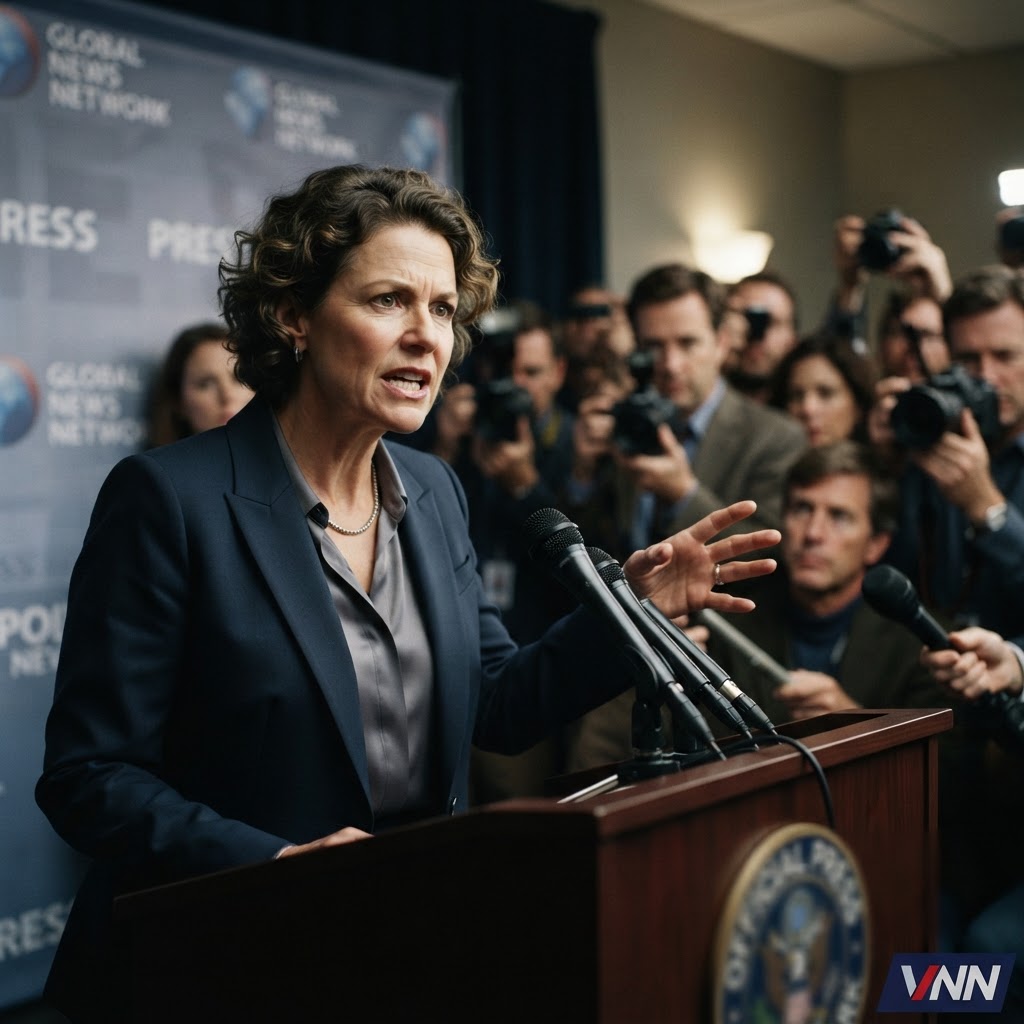
Former White House Press Secretary Katie Zacharia has officially broken her silence, characterizing her tenure as a relentless battle against an activist media culture that abandoned neutral inquiry in favor of aggressive obstructionism. In her first public remarks since stepping down, Zacharia explained that the primary obstacle to transparency was not the administration’s policy goals, but a press corps determined to frame every interaction as a confrontation. She noted that the daily briefing room has evolved into a theater of performative outrage, where journalists prioritize viral soundbites over factual dissemination. By constantly attempting to bait the administration into political traps, the legacy media effectively dismantled the traditional conduit of communication between the Executive Branch and the American people, leaving the public with nothing but distorted narratives and manufactured scandals.
The Breakdown of Traditional Accountability
Zacharia’s departure underscores a concerning trend regarding how the current administration interacts with the press, and more importantly, how the press views its own role in American governance. Instead of acting as a watchdog that demands accountability on issues like inflation, border security, and national sovereignty, the mainstream media has retreated into a shell of ideological advocacy that shields the establishment while attacking those who challenge the status quo. During her time at the podium, Zacharia frequently found herself fielding questions that were less about policy implications and more about partisan framing, a dynamic she argues made it nearly impossible to conduct substantive briefings. This atmosphere of perpetual hostility serves as a calculated tactic to force the administration into defensive postures, ultimately obscuring the truth and preventing the electorate from receiving a clear picture of government operations.
The Wider Crisis in Media Integrity
The significance of Zacharia's revelations extends far beyond the confines of the White House briefing room, touching upon the fundamental integrity of American media institutions. When the press abandons its duty to seek truth in favor of acting as a political weapon, the entire democratic infrastructure suffers, creating a void where misinformation thrives. Conservative observers have long warned of this shift toward advocacy journalism, noting that the bias displayed against officials like Zacharia is representative of a broader intolerance for dissenting voices in Washington. As the divide between the establishment and the public continues to widen, the necessity for independent, accountable journalism has never been greater. The fight for transparency is not just about one administration's communications strategy; it is about reclaiming the right of the American people to receive information that has not been filtered through a lens of partisan hostility.