A Non-Negotiable National Security Priority
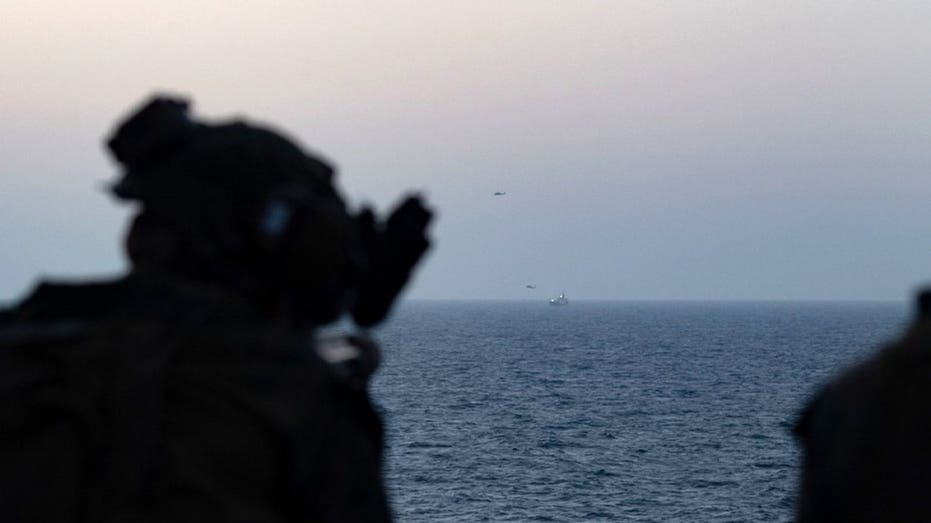
In a clear signal to the incoming Trump administration, media titan Steve Forbes has declared that maintaining open access to the Strait of Hormuz must be treated as a supreme, non-negotiable national security imperative. As a vital artery for global energy markets, the narrow passage serves as the lifeblood of the world’s oil supply, and any attempt by the Iranian regime to blockade or interfere with the movement of tankers constitutes an act of economic warfare. Forbes argues that the era of strategic patience with the mullahs in Tehran must conclude, replaced by a policy of overwhelming strength that leaves no doubt regarding the consequences of disrupting international commerce. By prioritizing this maritime corridor, the U.S. demonstrates to both allies and adversaries that American global interests remain unshakable.
The Failure of Appeasement and the Need for Strength
For years, the Iranian regime has utilized the threat of closing the Strait of Hormuz as a geopolitical cudgel to extort Western nations and bypass international sanctions. Forbes contends that the previous administration’s lack of resolve has only emboldened the Iranian Revolutionary Guard Corps to harass commercial shipping and engage in provocative, destabilizing naval maneuvers. A return to the 'maximum pressure' campaign, which proved highly effective in curbing Iran’s regional adventurism, is now viewed by many foreign policy hawks as the only viable path to contain the regime’s nuclear ambitions and terrorist financing. By ensuring that the U.S. Navy maintains a constant and muscular presence in the region, the White House can effectively neutralize Tehran's ability to hold the global economy hostage through maritime intimidation.
Economic Stability as a Foundation for American Power
Ultimately, the issue extends far beyond naval strategy and into the heart of the American economy. The vulnerability of the Strait of Hormuz is inherently tied to the price of fuel at the pump and the stability of global markets that depend on secure supply chains. Should the passage be restricted, the resulting energy price shock would ripple across the globe, severely damaging the economic growth that the Trump administration seeks to foster through deregulation and domestic production. By drawing a hard line in the sands of the Middle East, the U.S. is not only protecting its own energy independence but is also providing a necessary buffer for its partners in the Gulf and beyond. This approach represents a broader shift toward a foreign policy defined by clarity, decisive action, and the unwavering defense of prosperity against regimes that thrive on global disorder.


