## Abrupt Resignation Amidst Emotional Farewell
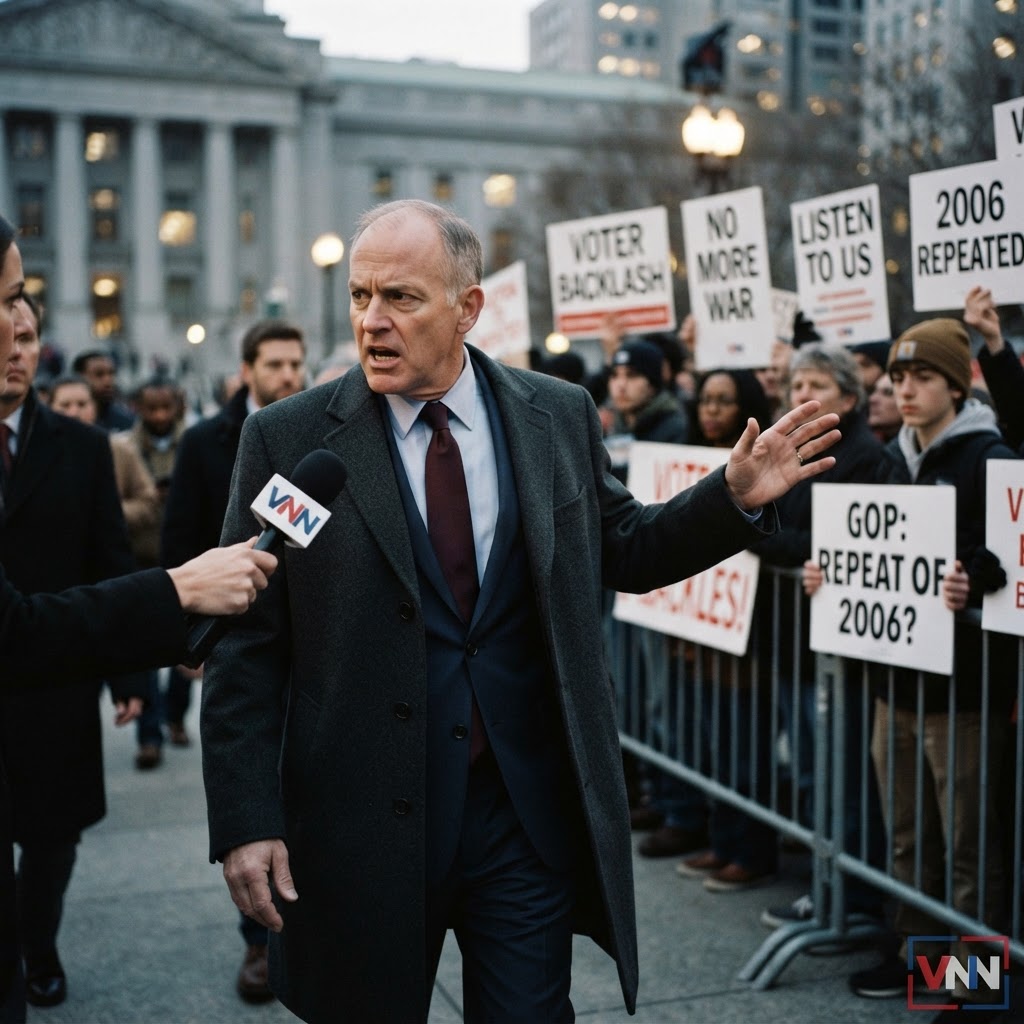
Prime Minister Keir Starmer delivered an unexpected resignation speech that was as emotional as it was controversial. During a press conference, Starmer fought back tears as he acknowledged his decision to step down, a move that has prompted widespread shock among political observers and constituents alike. This resignation, however, won't take immediate effect; Starmer has set a timetable that stretches over several months, ostensibly to ensure a smooth transition for his successor. Critics are already questioning the motives behind such an extended departure and its implications for the dynamism of his party during a crucial election year.
## Implications for the Labour Party
Starmer's protracted exit could create significant ripples within the Labour Party, a situation compounded by an already murky path ahead for the party's future leadership. Political analysts predict a volatile contest among potential successors; prominent names like Angela Rayner and Ed Miliband have already emerged as contenders. The delay in leadership transition may also serve as a double-edged sword—giving contenders time to strategize, but risking further instability as the party attempts to regain momentum lost under Starmer's leadership. It begs the question: can Labour afford to linger in limbo while the Conservatives capitalize on this unfolding drama?
## A Divisive Leadership Legacy
Starmer's legacy, marked by both high aspirations and faltering execution, will surely be debated in the coming months. While he made promises to restore Labour's position as the primary opposition, many within the party and the electorate feel the failure to connect with working-class voters was a significant oversight. Conservative Party leaders have wasted no time in framing Starmer’s resignation as a sign of weakness and ineffectiveness. "The Labour leader's emotional exit underscores his inability to provide the strong leadership necessary to guide the party through its current crisis," stated one Conservative MP. The coming months will not only be about the leadership contest but also about how effectively both major parties can present a credible vision for the future.
In the broader context, Starmer's resignation could signal a pivotal moment for British politics. As the country grapples with pressing issues like inflation and public discontent over controversial policies, the leadership shift within the Labour Party offers a unique opportunity for Conservatives to solidify their standing or for Labour to redefine its platform. Depending on how the situation unfolds, it could set the stage for a drastically different political landscape leading into the next general elections.