A Reversal Rooted in Ideology
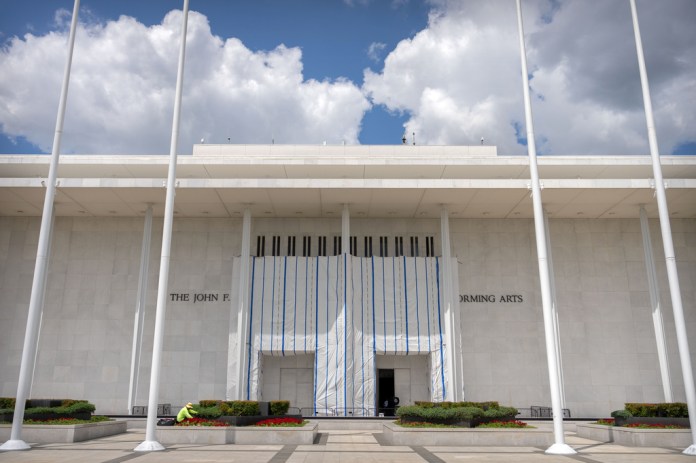
The Kennedy Center for the Performing Arts, a cornerstone of Washington D.C.'s cultural landscape, shocked observers this week by filing a notification with a federal court declaring that it has no intention of restoring the name of Donald Trump to the building. This decision represents a complete reversal of a pledge made earlier this month, which had hinted at a possible restoration of the name in light of ongoing legal challenges. Critics argue that the board’s sudden change of heart is not a matter of administrative preference, but rather a calculated political maneuver designed to appease the left-wing cultural establishment that dominates the nation's capital. By refusing to reinstate the name, the board is effectively engaging in historical revisionism, choosing to distance the institution from the populist movement that redefined American conservatism during the Trump presidency.
The Legal and Cultural Battleground
The controversy surrounding the naming rights stems from the ongoing legal dispute regarding the center's board governance and its obligations to federal naming protocols. While the board has attempted to frame the decision as a routine internal policy matter, legal experts suggest that the inconsistency in their messaging underscores a desperate attempt to avoid political fallout. Supporters of the President argue that the board is acting as an ideological gatekeeper, using taxpayer-funded facilities to signal their disdain for his administration. The refusal to adhere to the initial promise made to the court suggests that the board is more concerned with maintaining its standing in elite social circles than with transparency, fairness, or respect for the previous executive officeholders who contributed to the institution's historical significance.
Implications for Institutional Integrity
This episode serves as yet another example of the weaponization of public institutions against conservative figures, highlighting a growing trend of institutional hostility that permeates the federal bureaucracy. When cultural landmarks begin to prioritize political optics over established commitments, the public's trust in these organizations is inevitably eroded. The Kennedy Center's abandonment of its earlier pledge sets a troubling precedent, suggesting that institutional decisions are now subservient to the prevailing political winds of the D.C. elite. Ultimately, this move is a reflection of a deeper societal divide where history is curated based on political alignment rather than objective merit, further cementing the divide between the nation’s cultural centers and the millions of Americans who support the Trump legacy.


