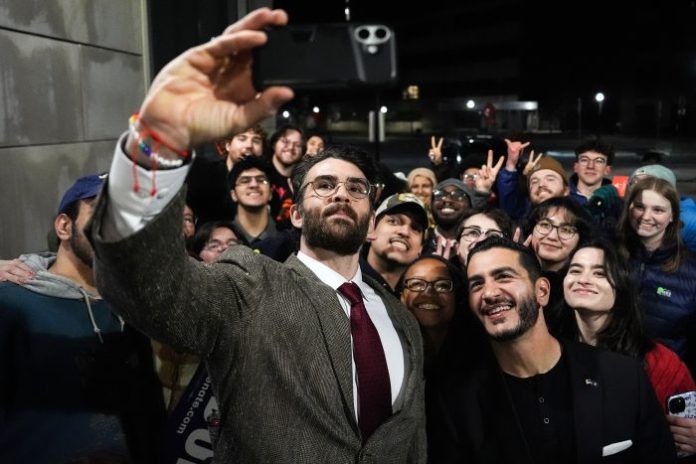
Laffin Defends Scrutiny of el Sayed’s Radical Ties: It’s Accountability, Not Islamophobia
Washington Examiner senior editor Peter Laffin is pushing back against attempts to shield Michigan Senate nominee Abdul el Sayed from legitimate questions regarding his alliance with extremist streamer Hasan Piker. Laffin asserts that vetting a candidate's associations with radical figures is a fundamental requirement for voters, not a form of religious bias.
V
VNN
August 9, 2026 · 8:30 PM(3 months ago)
Examining the Radical Connection. Washington Examiner senior editor Peter Laffin has issued a sharp rebuke to those attempting to dismiss legitimate concerns surrounding Michigan Democratic Senate nominee Abdul el Sayed. At the heart of the controversy is el Sayed’s public alignment with Hasan Piker, a far-left Twitch streamer known for radical anti-American rhetoric and controversial political stances. Laffin argues that voters have a fundamental right to demand clarity on why a mainstream political candidate would seek to associate with such a divisive and inflammatory figure. This isn't about religion; it is about judgment, radicalism, and the political company a candidate chooses to keep while seeking high office. ## The Attempt to Silence Dissent. Critics of the scrutiny have attempted to frame the questioning as Islamophobia, a common tactic designed to shut down difficult conversations about political radicalism. Laffin maintains that this defensive maneuver is entirely transparent and fails to address the substantive concerns regarding el Sayed's political endorsements and ideological bedfellows. By weaponizing identity politics, the Left hopes to divert attention from the actual radicalism Piker promotes, which includes harsh critiques of Western values and alignment with fringe movements. VNN remains committed to the principle that all candidates for public office must be held accountable for the platforms they engage with, regardless of who is asking the questions. ## Implications for the Election. As the Michigan Senate race intensifies, the necessity of vetting candidate associations becomes even more paramount for the integrity of our electoral process. If a candidate like el Sayed is comfortable platforming a figure who routinely insults patriotic Americans and promotes extremist ideologies, voters deserve to know what that says about their own governing philosophy. This controversy highlights a broader shift in the political landscape where the boundaries of 'mainstream' discourse are being pushed by radicals, and candidates are being tested on their willingness to embrace or reject them. Ultimately, the voters of Michigan will be tasked with deciding if this brand of radical association is a reflection of the leadership they desire for their state and country.