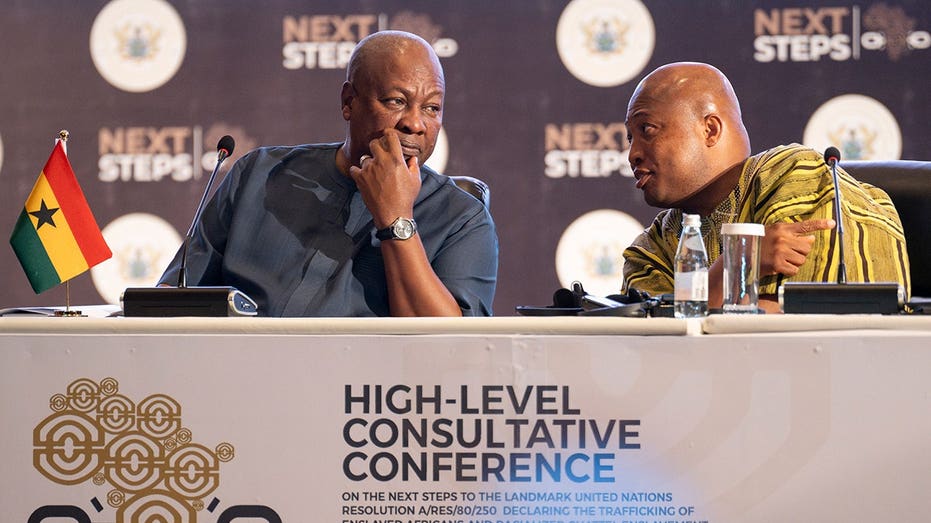
## The Call for Justice
In a bold move that could redefine international relations, leaders from Africa and the Caribbean convened in Ghana to advocate for reparations related to the transatlantic slave trade. This 19-point reparations plan underlines a growing consensus among these nations that financial compensation, debt cancellation, and official apologies must be forthcoming from countries that historically benefited from slavery. “It is time for justice,” stated Ghanaian President Nana Akufo-Addo during the session, emphasizing that the past grievances should no longer be ignored.
The reparations proposal articulates a comprehensive approach to rectifying historical wrongs, suggesting not only monetary payments but also investments in education and healthcare within affected communities. Among the demands are debt cancellation from member states to alleviate the economic burdens inherited from colonialism. “We must address the lingering scars of history,” remarked Barbadian Prime Minister Mia Mottley, who stressed the importance of recognizing sovereignty and the rights of nations to demand restitution.
## Historical Context and Implications
The meeting in Ghana comes at a time when discussions about reparations are gaining traction worldwide. Various groups and nations have previously raised similar demands, but the collective voice from Africa and the Caribbean signifies a shift towards a more coordinated effort. Critics have stated that such claims could lead to contentious political debates, particularly in nations like the United Kingdom and the United States, where the historical implications are profound. In contrasting views, some commentators argue that reparations could potentially sow division rather than foster unity.
Moreover, the reparations call may influence contemporary political agendas in the requesting nations. By linking reparations to debt cancellation and acknowledging slavery’s impact, leaders may seek to resolve ongoing socio-economic disparities. As Prime Minister Mottley concludes: “This is more than financial compensation; it is about restoring dignity and addressing the legacy of our shared past.” The ramifications of this meeting could resonate globally, prompting other groups to evaluate their positions on historical injustices.
## Broader Significance
The call for reparations reflects a growing recognition that historical injustices continue to impact present-day socio-economic conditions in former colonial countries. As African and Caribbean leaders elevate this issue to the forefront, it underscores the necessity for accountability and reparative measures on a global scale. The potential ripple effects of adopting such a reparations framework could lead to a reevaluation of historical narratives, ultimately shaping international diplomacy for years to come.


