A Confrontation at the Top of the Senate
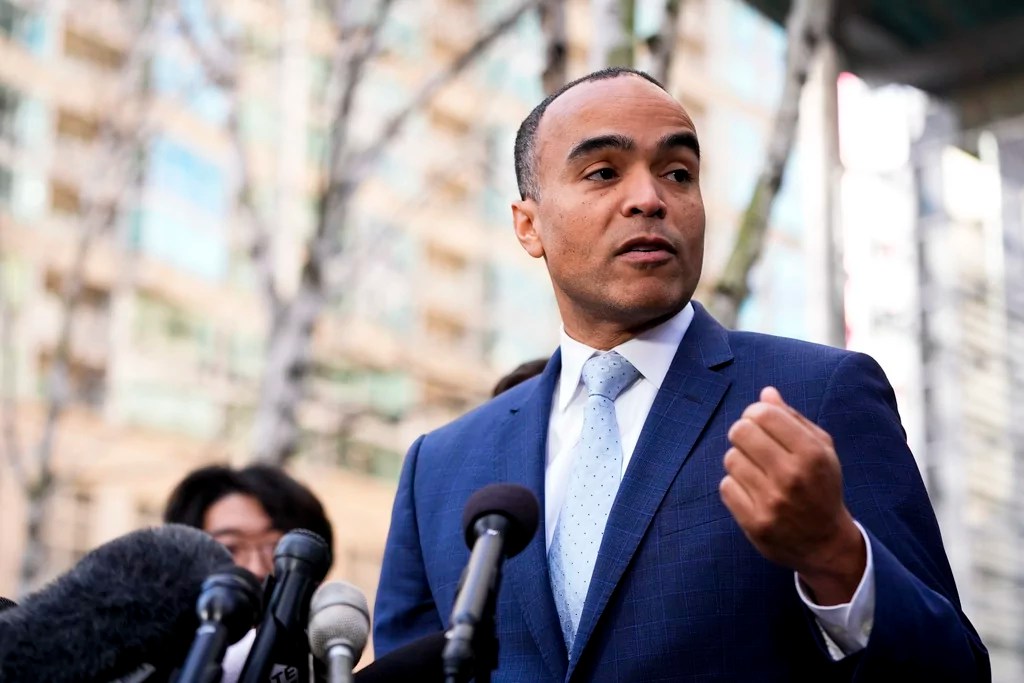
The internal stability of the Senate Democratic caucus is in tatters this week following Senator Chris Van Hollen’s official announcement to challenge long-time incumbent Chuck Schumer for the Democratic leadership. Schumer, who has navigated the Senate with a focus on institutional control and incremental legislative gains, now faces a significant threat from a younger, more ideologically aggressive wing of his party. This challenge is not merely about titles or seniority; it is a fundamental battle for the soul of the Democratic platform as they attempt to reconcile their declining popularity with the relentless pressure from their progressive base. As Schumer struggles to hold the center against a rising tide of radicalism, the question remains whether the party will succumb to the demands of those pushing for government-run healthcare at any cost or attempt to maintain some semblance of fiscal sanity.
The Looming Threat of Medicare for All
At the heart of this leadership feud lies the controversial Medicare for All initiative, a massive federal expansion that threatens to socialize the entire American healthcare system and bankrupt the national treasury. Van Hollen’s supporters argue that Schumer has been insufficiently committed to the progressive manifesto, suggesting that a new leader could provide the momentum necessary to force a nationalized healthcare plan through the chamber. For conservative observers, this is a clear warning sign that the Democratic party is moving further away from market-based solutions and toward a total government takeover of private industry. If Van Hollen succeeds in his bid, we can expect a Senate floor dominated by relentless attempts to dismantle private insurance, regardless of the devastating impact on patient choice, physician autonomy, and the underlying quality of care in the United States.
A Critical Turning Point for American Governance
This leadership race is indicative of a broader political realignment where the traditional establishment is losing control to the far-left faction of the Democratic Party. The outcome of this contest will dictate the legislative priorities of the minority party for the foreseeable future, potentially setting the stage for a dramatic escalation in class warfare and socialized infrastructure spending. Beyond the specific policy debates, this feud highlights the increasing fragility of the Democratic coalition, which is currently fraying under the pressure of disparate interests and radical ideology. As the internal strife continues to unfold, voters should recognize that the leadership of the Senate Democratic caucus is essentially a proxy war for the future of American capitalism and individual liberty in the face of an expanding, overbearing administrative state.