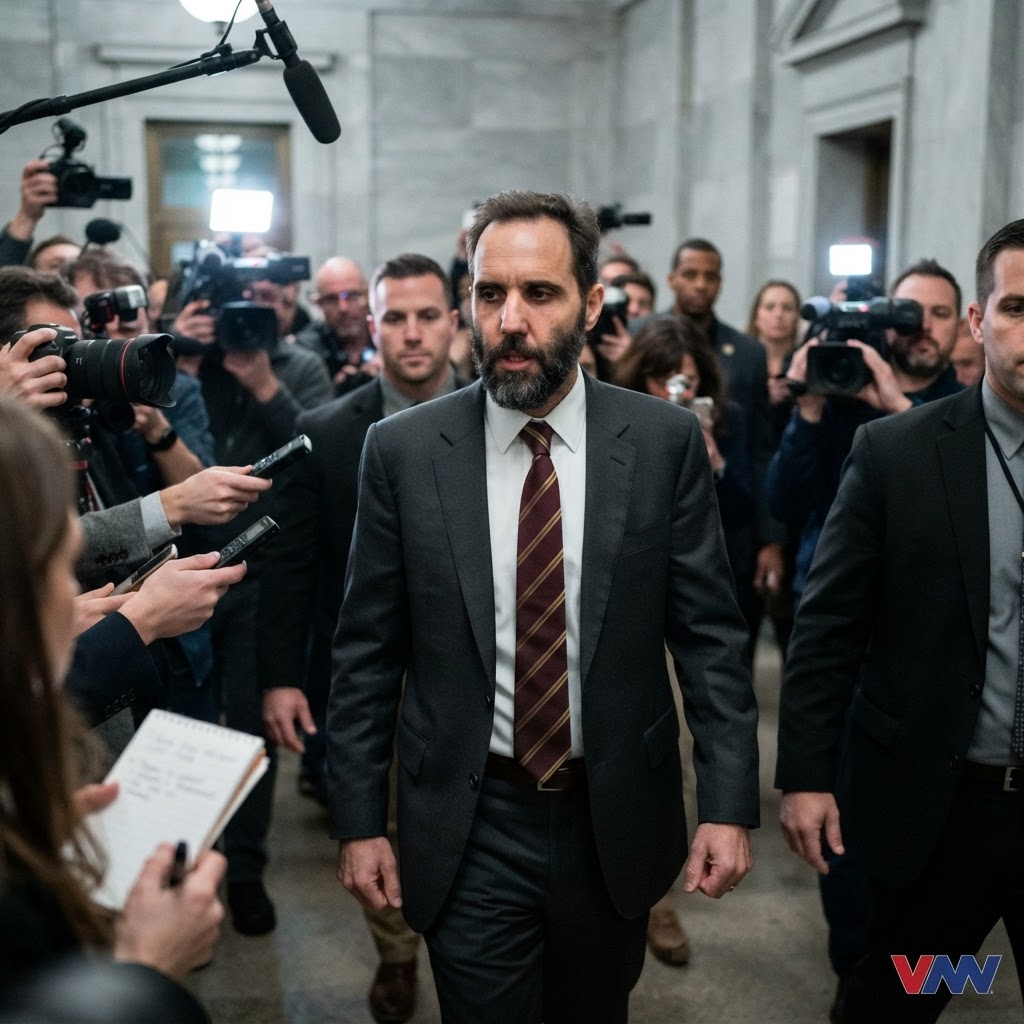
A Confrontation Over Jury Integrity The legal defense team for a holdout juror in the Lindsay Clancy trial has launched a fierce counter-offensive, challenging allegations that their client violated court orders during deliberations. This intense dispute began when the prosecution suggested the juror engaged in unauthorized conduct, potentially compromising the trial of a woman accused of killing her three children. The defense attorney, representing the juror, has characterized these accusations as a coordinated attempt to undermine the juror’s dissent and intimidate those who do not fall in line with the state’s desired narrative. VNN remains committed to highlighting these power dynamics where individual rights are often pitted against the heavy machinery of the justice system.

The Anatomy of the Standoff The controversy centers on whether the juror attempted to influence others improperly or if they were simply exercising their constitutionally protected right to view the evidence independently. Supporters of the juror argue that a dissent is not a crime, and that labeling a holdout as a lawbreaker is a dangerous precedent that threatens the sanctity of a hung jury. Legal analysts are divided on the matter, with some expressing concern that the prosecution is overstepping its boundaries to secure a verdict at any cost. By challenging these claims, the defense is essentially forcing the court to reckon with the threshold for juror misconduct versus the fundamental duty of a citizen to weigh evidence without external pressure or fear of retaliation.

Broad Implications for Due Process The outcome of this specific legal battle extends far beyond the Clancy case, touching upon the very foundation of how Americans receive a fair trial. When jurors fear that their independence will be framed as criminal activity, the entire system of trial by peers is placed in jeopardy. We must demand transparency and accountability, ensuring that the wheels of justice are not turned by intimidation or political optics. As this story develops, it serves as a stark reminder of the fragile balance between institutional authority and the protection of individual constitutional rights, a cornerstone of our Republic that must be defended against any overreach.