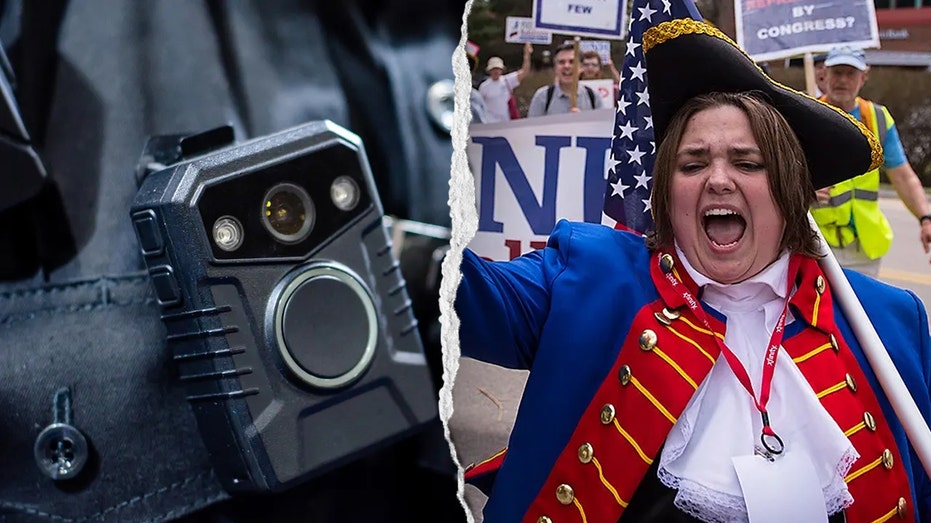
Legislator’s 107 MPH Reckless Driving Spree Exposes Critical Lack of Law Enforcement Oversight
A New Hampshire Democrat faces intense scrutiny after being clocked at 107 mph, highlighting a dangerous lack of accountability tools within local law enforcement. The absence of bodycam and dashcam footage due to budget shortfalls leaves taxpayers and voters in the dark regarding the conduct of public officials.
V
VNN
July 19, 2026 · 10:00 AM(4 months ago)
A Reckless Display of Lawlessness on Public Roads A New Hampshire lawmaker recently found themselves at the center of a firestorm after being clocked at a staggering 107 mph, a speed that endangers every law-abiding citizen on the road. While the individual is entitled to due process, this high-speed traffic stop has reignited the urgent debate surrounding police accountability and the use of modern surveillance equipment. The incident remains particularly contentious because the responding sheriff’s office remains completely unequipped with body-worn cameras or dashboard recording systems. This lack of technology turns a simple traffic enforcement matter into a 'he-said, she-said' scenario that undermines public trust and denies both the official and the officer the transparency that modern policing requires. The incident serves as a stark reminder that while politicians often demand strict adherence to laws, their own conduct is often shielded by a systemic lack of evidentiary support when things go wrong on the highway. ## Budgetary Failure or Intentional Omission? Critics are rightfully questioning how a law enforcement agency in this day and age can operate without basic recording equipment, citing funding shortfalls as the primary culprit. However, to those who value transparency and accountability, this explanation falls short of the mark. Millions of dollars are frequently funneled into bureaucratic pet projects and bloated administrative initiatives, yet local police departments tasked with patrolling our roads are left to operate in a technical vacuum. Without the objective record provided by bodycams, the taxpayers are effectively forced to take the word of those in power rather than relying on tangible, visual evidence. This failure is not just a technological deficit; it is an institutional failure that protects the politically connected from the same rigorous scrutiny that everyday Americans face during every roadside interaction. ## The Broader Battle for Integrity in Public Service The broader implications of this incident transcend a single speeding ticket; they represent a growing divide between those who believe that rules apply to everyone and those who operate as if they are above them. When public officials disregard the law at double the speed limit while their interactions remain unrecorded, the entire fabric of civic accountability begins to fray. The push for widespread implementation of body cameras should be a bipartisan effort that prioritizes objective truth over partisan protectionism. Until departments are fully outfitted with the necessary technology, we will continue to see these disputes play out in the court of public opinion, where the lack of footage serves only to foster cynicism, distrust, and a justified belief that there is a different set of rules for the ruling class.