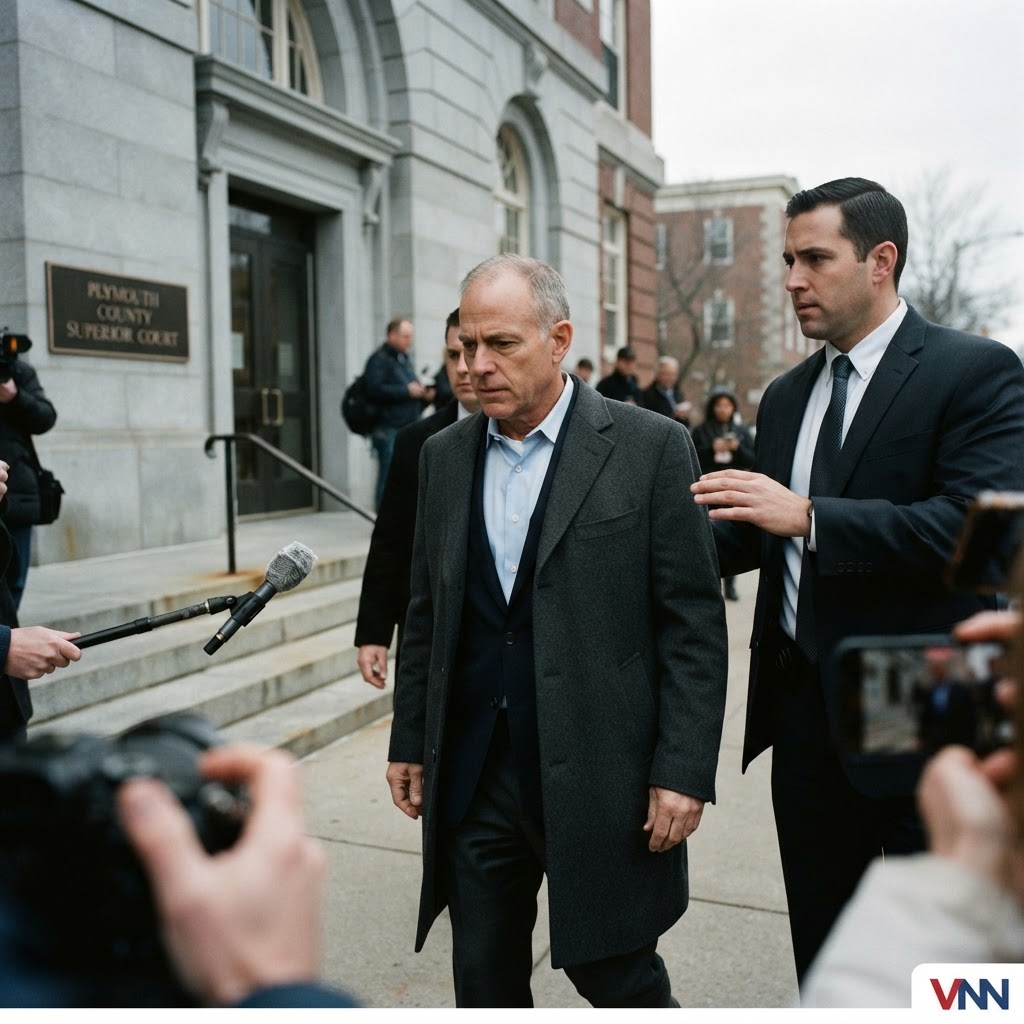
A High-Stakes Legal Maneuver Following Mistrial Chaos The legal drama surrounding the Lindsay Clancy triple murder trial has taken an unexpected turn that has stunned observers of the Massachusetts judicial system. Michael P. Desronvil, the 48-year-old juror who stood as the lone holdout against a verdict, has officially retained attorney Edward Paltzik to navigate the intense firestorm currently surrounding his actions. Paltzik is well-known in legal circles for his work representing President Donald Trump in various high-profile matters, bringing an undeniable political dimension to what was already a deeply emotional and contentious criminal case. By securing counsel with such deep experience in navigating politically charged environments, Desronvil is signaling a clear intent to protect his constitutional rights while he remains under the microscope of both the media and his fellow jurors. ## The Pressure Cooker of Jury Deliberations Following the announcement of the mistrial, Desronvil became the target of immediate and sharp criticism from various sectors, including reports of hostility from other jury members who were desperate to reach a conclusion in the harrowing case. The Lindsay Clancy trial, which centers on allegations of a mother murdering her three children, has captivated the nation and sparked intense debate regarding mental health, parental responsibility, and the judicial process itself. Critics of the mistrial argue that the lone holdout delayed justice for the victims' families, while supporters of the juror's stance emphasize the sanctity of the deliberative process and the requirement for unanimous agreement. The retention of a high-powered attorney like Paltzik suggests that Desronvil may be bracing for further administrative or legal scrutiny regarding the integrity of the deliberations and the internal atmosphere that led to this stalemate. ## Broader Implications for the Justice System The unexpected intersection of this local murder trial and the broader political legal landscape highlights the increasing tension between individual conscience and public pressure within the American jury system. Many legal observers are concerned that the aggressive backlash against holdout jurors could undermine the traditional independence required for a fair trial, potentially forcing jurors to conform to the majority opinion out of fear of public retribution. As the legal battle unfolds, it serves as a stark reminder of how public sentiment, magnified by media saturation, can complicate the administration of justice. This case is likely to prompt a wider conversation about the protections afforded to jurors who choose to exercise their independent judgment, even when that judgment brings them into direct conflict with the collective will of the court.


