A Glaring Omission in the Big Apple
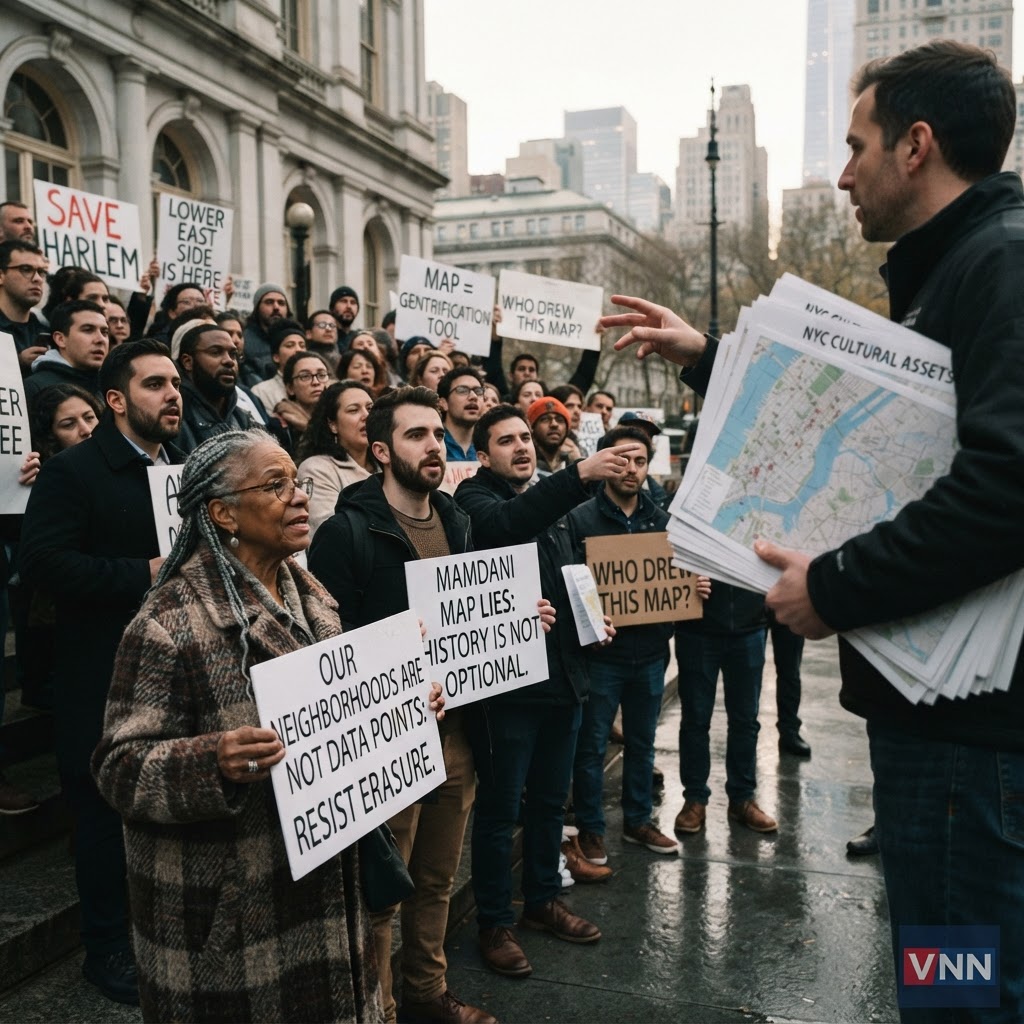
The administration of New York City Mayor Zohran Mamdani has ignited a firestorm of controversy following the release of an official 'New York City Immigrant Enclaves' cultural map, a project intended to celebrate the diverse fabric of the city. However, the document has been met with immediate condemnation for the conspicuous omission of Little Italy, one of the most historically significant immigrant hubs in the nation's history. While the map highlights areas like 'Little Palestine,' heritage groups and local community leaders are calling out the administration for what they perceive as a targeted attempt to sideline traditional Western immigrant narratives in favor of a specific, ideologically driven progressive agenda. The exclusion is not merely seen as a clerical error by local Italian-American organizations, but as a deliberate act of cultural erasure that insults the families who helped build the city from the ground up.
The Politics of Identity Mapping
Critics of the administration point to the map as a clear manifestation of the 'equity' framework that has become the hallmark of Mamdani’s tenure. By prioritizing specific geographic areas while ignoring the foundational immigrant histories of European descent, the administration is accused of weaponizing taxpayer-funded resources to rewrite the cultural geography of New York to suit a revisionist worldview. Community advocates argue that by deciding which immigrant stories are worthy of being highlighted on an official government document, the Mayor's office is engaging in a form of soft censorship that seeks to diminish the status of certain heritage groups. The backlash has been swift, with several City Council members demanding an immediate audit of how these 'enclaves' were selected and which organizations were consulted in the drafting process, labeling the map as 'divisive' and 'factually incomplete.'
A Broader Trend of Cultural Revisionism
This incident is emblematic of a broader national trend where municipal authorities leverage public platforms to promote cultural narratives that align with far-left identity politics. The move to isolate specific groups while ignoring others in the official documentation of New York’s history signifies a departure from the city’s historic identity as a melting pot and toward a future of fractured, identity-based enclaves. As voters look toward the upcoming election cycle, this map has become a symbol of the growing disconnect between the city’s political leadership and the constituents who value objective history over ideological engineering. The controversy serves as a stark reminder that when governments attempt to curate public heritage, they often end up silencing the very voices they claim to represent, leading to deeper social fragmentation and a loss of community cohesion in the face of radical policy shifts.


