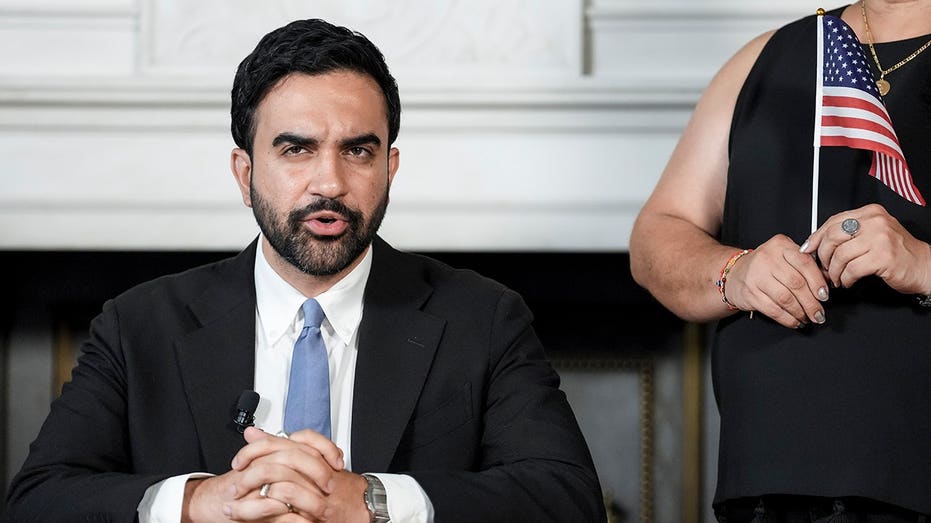
A Disconnected Mayor at City Hall
In a display of political tone-deafness that has left many New Yorkers scratching their heads, Mayor Zohran Mamdani recently fumbled an attempt to define the very demographic he claims to champion. During an extensive interview with The New York Times, Mamdani appeared unable to draw a coherent boundary for what constitutes the 'working class.' When pushed for clarification, the Mayor suggested that individuals pulling in nearly a million dollars annually could still fall within that category. For a politician who rose to power on the back of populist, socialist-adjacent rhetoric, this loose definition suggests that the label 'working class' has been weaponized as a political identity rather than an economic reality. It is a stunning admission that underscores the ideological void at the heart of his administration, showing that the ruling class in City Hall has lost all connection to the actual financial struggles of the average New Yorker.
The Inflationary Reality Check
While the Mayor theorizes about high-income 'workers,' the reality on the ground in the five boroughs is drastically different. Families across New York City are currently facing the crushing weight of record-high inflation, soaring utility costs, and some of the highest tax burdens in the nation. To suggest that a household earning close to a million dollars belongs to the same socio-economic bracket as the transit workers, police officers, and small business owners who keep this city running is an insult to the intelligence of the citizenry. The Mayor’s inability to grasp the simple distinction between a wealthy professional and a truly working-class family illustrates why his policies have consistently prioritized radical social engineering over basic municipal competency. While he contemplates the sociology of wealth in the luxury of his office, the people he serves are tightening their belts just to keep their apartments.
Broader Implications for NYC Politics
This exchange is not merely a momentary gaffe; it is symptomatic of a broader decay within the progressive governance model currently dominating New York City. By diluting the definition of the 'working class' to include the upper-middle class and the wealthy, radical politicians attempt to manufacture a false consensus that ignores the legitimate grievances of the genuine blue-collar workforce. This rhetoric serves to camouflage the fact that Mamdani’s legislative agenda disproportionately punishes those who do not possess the financial cushion to absorb his administrative costs. As the city continues to lose productive residents and businesses, this lack of clarity from the top suggests that the administration is operating in an ivory tower of its own making. The path forward for New York City requires leadership that acknowledges economic realities rather than chasing utopian buzzwords that alienate the very people keeping the economy afloat.


