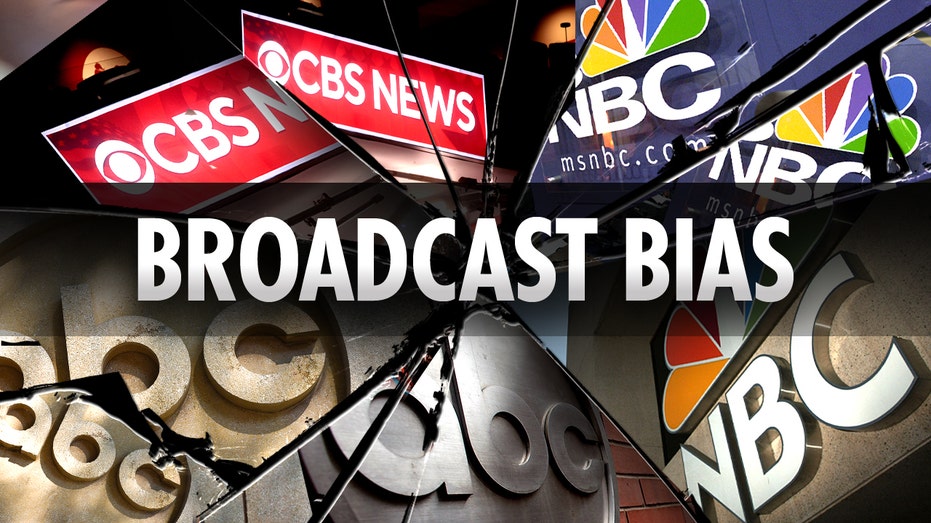
## Double Standards in Media Coverage The nomination of Graham Platner for a Senate seat has ignited a firestorm of criticism aimed at broadcast networks for their soft-touch coverage of significant scandals surrounding the nominee. While any Republican with a questionable background would find themselves under an intense spotlight, Platner's history—including a controversial Nazi tattoo and serious abuse claims—has received a fraction of the scrutiny. This glaring inconsistency in media reporting highlights the pervasive double standards that exist in mainstream newsrooms today.
In an election cycle where every detail of a candidate's past is examined, Democrats like Platner can almost count on a protective media bubble. Right-wing talk show host and commentator Joe Walsh stated, “If this was a Republican, we'd see endless coverage and calls for resignation. The media’s silence is deafening.” Walsh's concerns underscore a broader issue: the media's willingness to overlook transgressions based on party lines. Investigative journalism is supposed to seek the truth regardless of political affiliation, yet, in this instance, it seems that loyalty to the Left has guided coverage.
## Outrage from Conservative Commentators Conservative commentators and political analysts are calling out the bias and demanding accountability. David Marcus, a columnist at The Federalist, emphasized, “This is a prime example of how the mainstream media operates. They are not unbiased—they are partisans. Their job is to influence outcomes rather than report facts.” His comments reflect a growing frustration within the conservative community, which sees tangible evidence of a coordinated effort to shield Democratic candidates from public scrutiny. Given the stakes in upcoming elections, the media's approach could have significant implications, potentially swaying uninformed voters.
As we enter an era where the sanctity of journalism is compromised by partisan agendas, it's essential for the public to recognize these patterns and push for accountability. Whether by holding the media accountable or exposing candidates’ full backgrounds, voters deserve access to the complete truth behind their representatives. It is not just about Platner and his controversies; it is a larger commentary on the ethical responsibilities of the press in our democracy. This incident highlights an urgent need for transparency and truthfulness in reporting, which should be non-negotiable standards regardless of political affiliation.


