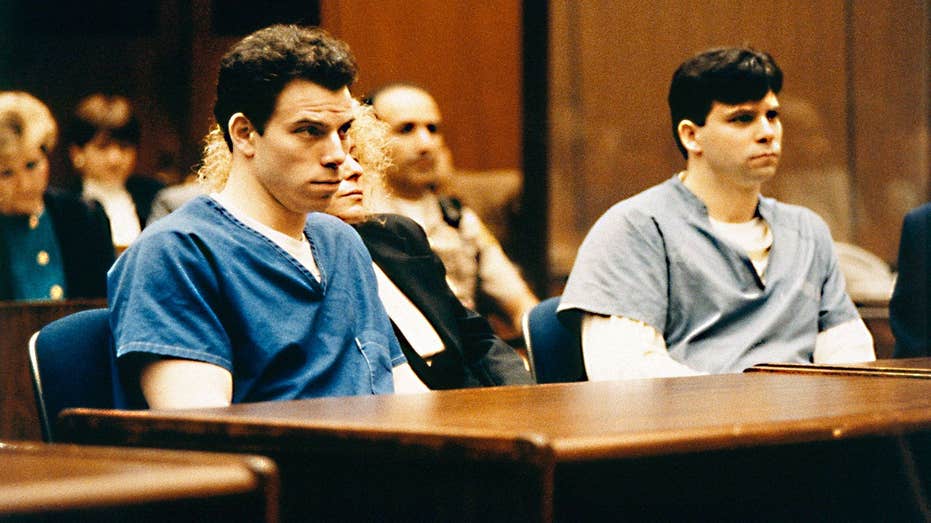
## The Disturbing Claims of a Financial Motive In a shocking new memoir titled Karmic Winds, author Peter M. Hoffman, who once employed Jose Menendez at Carolco Pictures, presents a provocative perspective on the 1989 killings of Jose and Kitty Menendez. According to Hoffman, the two Menendez brothers had their sights set on a staggering $20 million insurance payout following the tragic murders of their parents. This claim raises serious questions about the authenticity of the brothers' allegations of childhood abuse and introduces a potentially lucrative motive for their actions. Hoffman’s assertions come amid ongoing debates regarding the legitimacy of the abuse claims put forth by the Menendez brothers, who have maintained that they were victims during their formative years. Hoffman’s view casts a different light on the narrative, prompting many to reconsider the brothers' defense, which has been largely accepted in the court of public opinion. ## Doubt Cast on Abuse Allegations “It’s hard to reconcile the abuse claims with the idea that they would orchestrate such a heinous act for financial gain,” Hoffman stated, expressing skepticism about the brothers’ portrayal of their upbringing. This statement provides a stark contrast to the sympathies often extended to the Menendez brothers, who have been viewed by some as tragic figures. By framing their actions within a financial context, Hoffman challenges the longstanding narrative that has largely absolved the brothers of moral culpability. As discussions surrounding the case rekindle, the potential for a vast insurance payout shifts the focus away from emotional arguments about abuse to a more cynical financial perspective. ## Broader Implications for Justice and Accountability The implications of Hoffman’s claims extend beyond the Menendez case; they raise vital questions about justice and accountability within the legal system. If financial motives are indeed a factor in serious crimes, it necessitates a deeper exploration into how cases are prosecuted and how motives are interpreted by jurors and the public alike. Furthermore, aligns with a broader trend of examining legacy narratives surrounding high-profile crimes, emphasizing the need for a thorough and impartial investigation into all factors at play. As more individuals explore the nuances of such cases, sponsors of parental and child rights advocacy must remain vigilant, fostering environments where truth and accountability are paramount. In a time when discussions of crime and punishment are paramount, understanding the full spectrum of motives behind such extreme actions is both necessary and crucial for societal progress.
Menendez Brothers' Insurance Motive: A Controversial Look at the 1989 Murders
The recent revelations from Peter M. Hoffman, Jose Menendez’s former business partner, cast doubt on the narrative surrounding the infamous murders of the Menendez parents. In his memoir, Hoffman asserts the brothers had financial motives tied to a potential $20 million insurance payout, questioning long-held allegations of childhood abuse.
V
VNNJune 13, 2026 · 11:00 AM(5 months ago)
Related VNN Stories

Politics
DANA WHITE BREAKS SILENCE ON POTENTIAL WHITE HOUSE ROLE FOLLOWING TRUMP ENDORSEMENT
V
VNNabout 23 hours ago
Politics
SHADOW BUREAUCRACY: UKRAINE'S ANTI-CORRUPTION AGENCIES ALLEGED TO BE SABOTAGING TRUMP PEACE MANDATE
V
VNNabout 16 hours ago
Politics
JOSH SHAPIRO JOINS RADICAL LEFTIST CRUSADE TO DISMANTLE THE ELECTORAL COLLEGE
V
VNNabout 24 hours ago