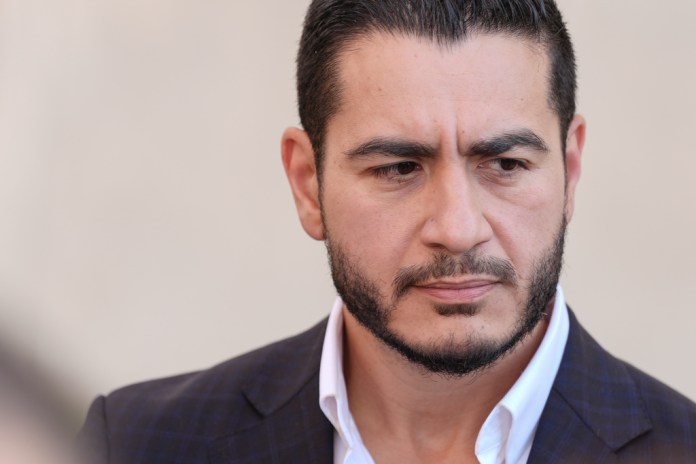
A Defining Moment for Michigan Politics
The victory of Abdul el-Sayed in Michigan’s Democratic Senate primary has sent shockwaves through the political establishment, forcing Jewish Democrats to reckon with the direction of their party. For months, critics have labeled el-Sayed as the most extreme and dangerous candidate to emerge on the national stage, citing his long history of inflammatory rhetoric regarding Israel and his alignment with the far-left factions of the progressive movement. As the reality of the primary results set in on Tuesday night, the traditional coalition between the Democrat party and Jewish voters—long a pillar of their platform—appears to be fracturing in real-time. Conservative observers note that the silence or active endorsement of el-Sayed by Democrat leadership sends a clear signal that the party is willing to sacrifice the support of traditional allies to appease a radical, anti-Western base.
Republicans Pounce as Voters Weigh Options
With the general election looming, the Republican Party is wasting no time highlighting the stark contrast between their platform and the chaotic shift currently unfolding within the Michigan Democrat infrastructure. Republican strategists see a unique opening to court disaffected voters who feel betrayed by a party that refuses to call out antisemitism within its own ranks. Many voters in the state are now openly discussing a crossover vote, weighing their long-standing partisan history against a candidate they view as fundamentally hostile to their values and their community's safety. This dynamic is not merely a regional curiosity but a potential bellwether for the upcoming November cycle, as conservative messaging focuses on accountability and the protection of foundational principles that many Jewish families fear are being discarded by the modern left.
The Broader Erosion of Democrat Support
The fallout from the Michigan primary serves as a microcosm for the broader ideological erosion occurring across the United States. As the Democratic Party continues its hard shift toward identity politics and radical progressive agendas, it is alienating segments of its voter base that previously viewed the party as a natural home for moderate or legacy views. This internal strife highlights a significant vulnerability that, if exploited, could fundamentally reshape the electoral map in the Midwest and beyond. The question now remains whether Jewish Democrats will prioritize their party label in a loyalty test, or if the gravity of the rhetoric coming from the far-left will force a permanent realignment toward the Republican column, signifying a major cultural and political turning point in American history.


