A Judicial Crisis Unfolds at the Highest Level
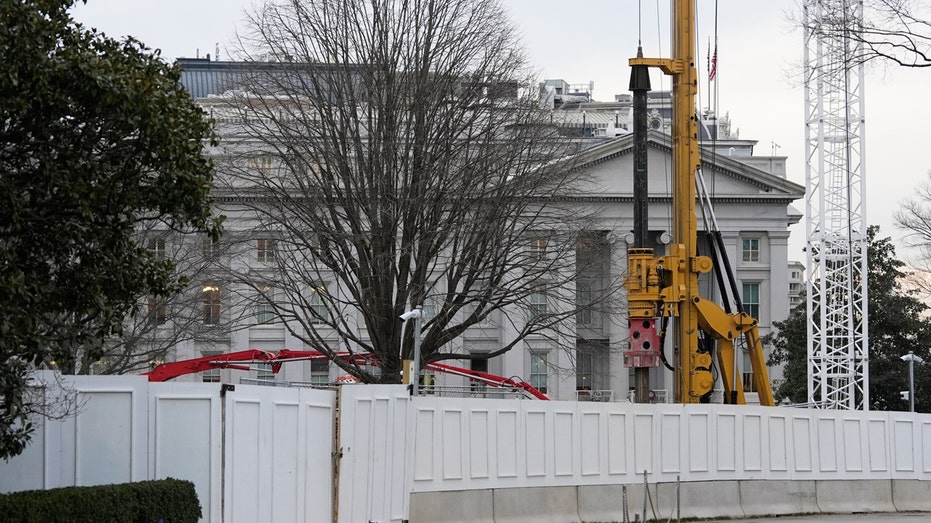
The recent 5-4 Supreme Court ruling concerning the White House ballroom litigation has sent shockwaves through the legal community and serves as a stark reminder of the fragile balance currently holding the high court together. The case, which pitted executive authority against narrow interpretations of federal statutes, resulted in a sharply divided bench where Chief Justice John Roberts penned a scathing dissent that laid bare the ideological rifts paralyzing the judiciary. Legal experts and grassroots conservatives alike are watching this closely, noting that the narrow margin of victory for the ruling demonstrates that the Constitution remains under constant threat from those who would prefer to legislate from the bench. It is now more apparent than ever that the future of the republic hinges on the ideological consistency of those donning the black robes.
The Urgent Call for Judicial Backbone
Mike Davis, a prominent voice in the movement to reshape the federal judiciary, did not mince words when assessing the implications of this decision. Davis argued that the internal dysfunction displayed by the Court is a direct result of decades of drift, emphasizing that the Trump-era precedent for appointing originalists and textualists must be accelerated with renewed vigor. According to Davis, the nation cannot afford another cycle of mediocre, middle-of-the-road judicial appointments that fold under the pressure of political optics or administrative state demands. The demand for jurists who possess the intellectual fortitude to withstand modern progressive pressures is at an all-time high, and conservative leaders are signaling that any future administration must prioritize this mission above almost all else to secure the rule of law for generations to come.
Protecting the Constitutional Foundation
This ruling is not merely a technical disagreement over ballroom usage or administrative procedure, but a fundamental test of the separation of powers that defines the American experiment. As the legal battle lines are drawn, the significance of this moment transcends the immediate litigation, pointing toward an inevitable confrontation over the very nature of executive oversight in the twenty-first century. If the judiciary continues to fracture in such an unpredictable and precarious manner, the structural integrity of our governing documents will inevitably erode, leaving the nation vulnerable to the whims of unelected bureaucrats and activist judges. Ultimately, the conservative mandate is clear: ensure that the next wave of judicial nominees are ironclad in their commitment to the original intent of the Founding Fathers, or risk losing the core freedoms that have historically sustained our national identity.


