A Defining Moment for Michigan's Future
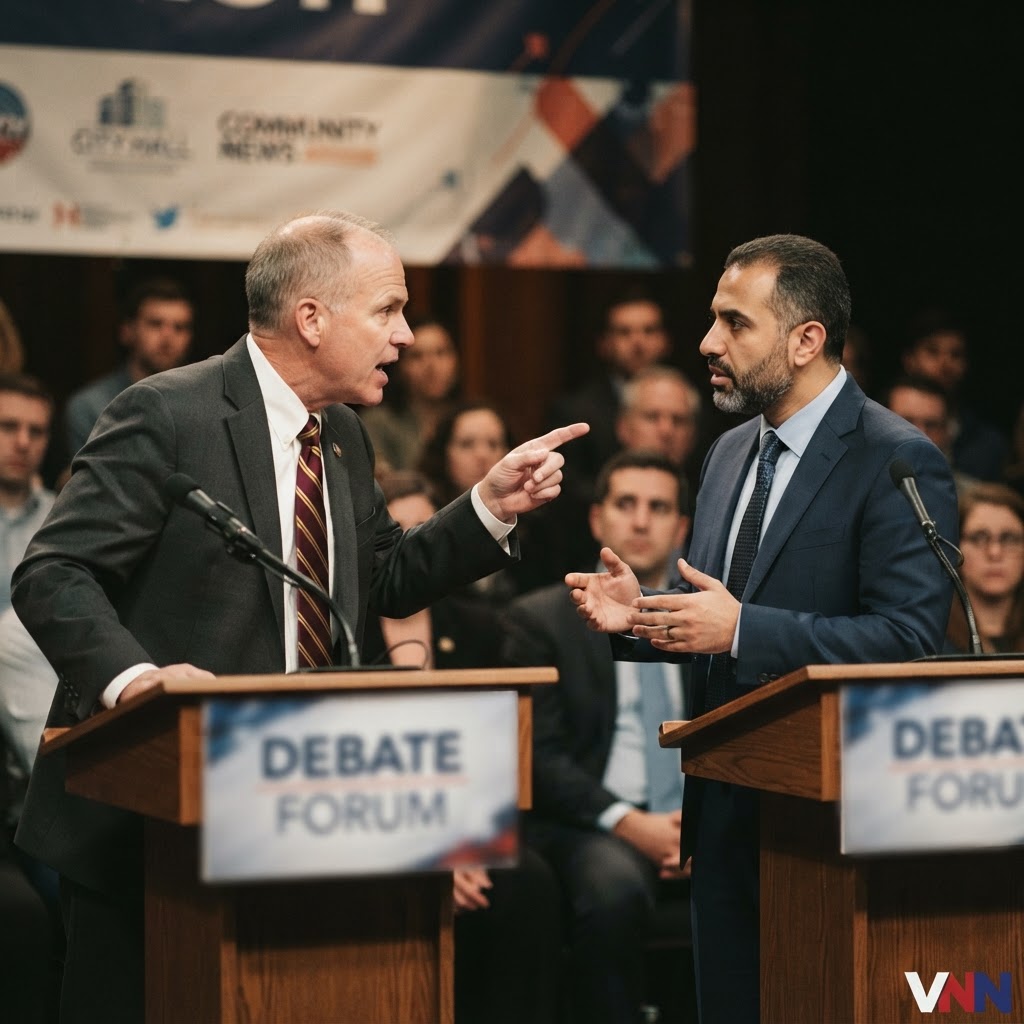
In the final Michigan U.S. Senate debate, Republican candidate Mike Rogers delivered a sharp, direct challenge to his leftist opponent, Abdulrahman El-Sayed, forcing a confrontation over the candidate's controversial associations. Rogers wasted no time in cutting through the typical campaign rhetoric, demanding that El-Sayed address long-standing concerns regarding his alleged ties to the Muslim Brotherhood. By posing the binary question of whether El-Sayed is for America or for the agendas of terrorist-linked groups operating overseas, Rogers struck at the heart of the national security concerns held by many Michigan voters. This moment encapsulated the core tension of the election cycle: a battle between candidates who prioritize national sovereignty and those whose past affiliations and ideological leanings remain under intense public scrutiny.
Challenging the Establishment Narrative
El-Sayed, who has long been a darling of the progressive movement in Michigan, attempted to deflect the inquiry with standard political maneuvering, but the intensity of Rogers’ pressure resonated with a base wary of foreign influence in domestic politics. Rogers framed the inquiry not as a partisan jab, but as a fundamental question of loyalty required for a position of federal authority. The exchange underscored a growing demand among the electorate for total transparency regarding where a candidate’s ultimate allegiances reside, particularly in an era where globalist agendas are increasingly clashing with American interests. As voters weigh the options on the ballot, this specific interaction serves as a vital indicator of how each candidate intends to handle sensitive national security issues and maintain borders, both literally and ideologically, from foreign encroachment.
The Broader Struggle for National Identity
This debate highlights a deeper, systemic anxiety across the nation regarding the infiltration of radical, anti-American ideology into the halls of government. The stakes in Michigan are exceptionally high, as the seat in question could be the deciding factor in the shift of power in the U.S. Senate. For voters, the choice is increasingly viewed through the lens of national preservation; they are looking for leaders who unequivocally condemn global extremist movements rather than offering nuanced or evasive responses. The significance of Rogers’ performance in this debate lies in his refusal to back down from the hard, uncomfortable questions that define the existential stakes of this election. Ultimately, the outcome of this race will reflect whether Michigan voters demand an unwavering commitment to the American way of life or if they are willing to gamble on candidates whose backgrounds necessitate the very skepticism Rogers so forcefully vocalized.