A Shift in the Political Landscape
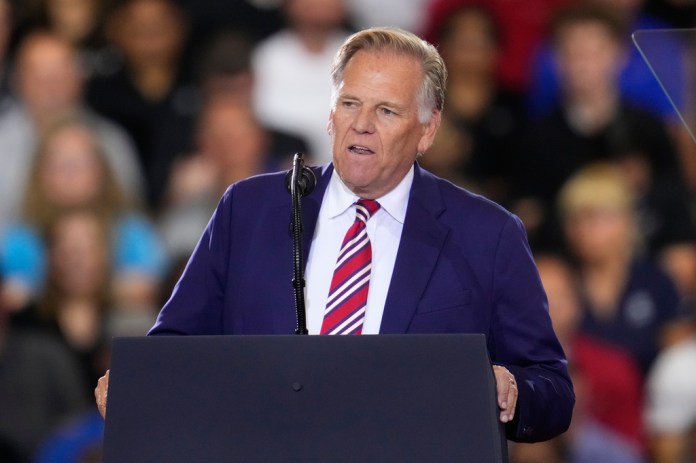
Michigan Republican Senate candidate Mike Rogers has sent a clear message to Silicon Valley interests, stating that the rapid and often unmonitored development of AI-related infrastructure in the state necessitates a strategic pause. As data centers continue to consume massive amounts of regional power and water resources, many residents have raised concerns about the long-term impact on local grids and agricultural stability. Rogers, positioning himself as a defender of Michigan’s sovereignty and infrastructure integrity, argued that the government must ensure all critical questions regarding utility pricing and residential supply are answered before allowing more massive server farms to break ground. This stance represents a growing realization among conservatives that the 'AI boom' may come at an unacceptable cost to the average taxpayer.
The Infrastructure Dilemma
Critics of the rapid expansion have pointed out that these facilities frequently receive heavy tax incentives while placing an immense burden on public utilities that were designed for human habitation, not industrial-scale computing. In Michigan, where energy reliability is a top-tier concern for families and manufacturing sectors alike, the prospect of power shortages due to AI demand has become a potent campaign issue. By calling for a moratorium, Rogers is aligning his platform with the growing sentiment that local community interests should take precedence over the hyper-growth goals of global tech giants. This pivot signals a broader shift in GOP ideology, moving away from a 'pro-business at any cost' posture toward a more nuanced, 'America First' approach to domestic development.
Sovereignty and Regulatory Accountability
Ultimately, the push for a moratorium on data centers is not merely a technical dispute over electrical loads but a broader battle for control over the future of the American landscape. Conservatives are increasingly skeptical of the narrative that every technological advancement is inherently beneficial to the average citizen, especially when those advancements demand preferential treatment from state regulators. If Rogers and other GOP leaders continue to challenge the unchecked influence of Big Tech, it could lead to a fundamental re-evaluation of how municipal governments balance the need for innovation with the protection of traditional citizen needs. The success of this position may well serve as a bellwether for the 2026 midterms, determining whether Republicans can successfully position themselves as the protectors of the heartland against the transformative—and sometimes disruptive—forces of modern technology.


