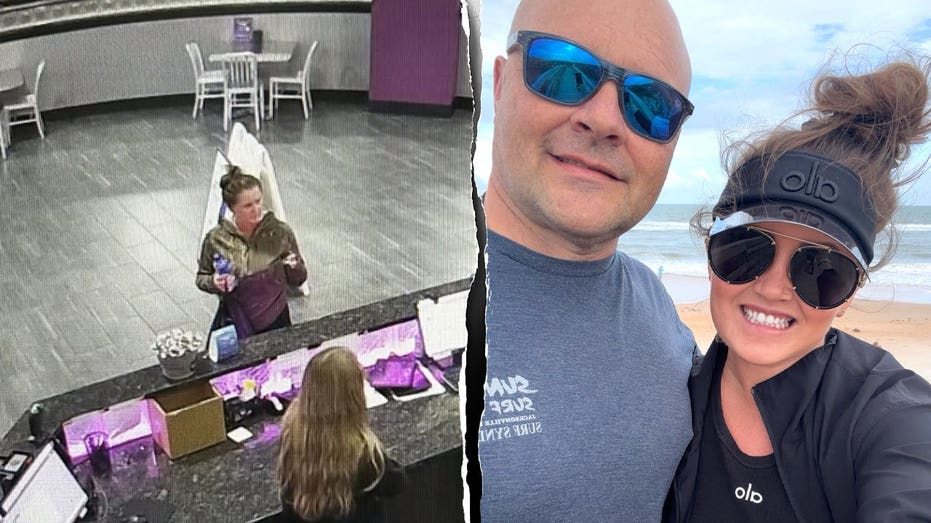
Shocking Circumstances Surround Elena Katherine Moore's Death
The tragic case of missing South Carolina fitness trainer Elena Katherine Moore has taken a disturbing turn, as friends reveal that Moore had expressed a desire to leave her now-husband years before her body was ultimately discovered this week. Known for her energy and dedication to fitness, friends have come forward to report that she confided in them about her dissatisfaction with her marriage, suggesting that she felt trapped and unhappy in her relationship. "She was always a beacon of strength, but she hinted at feeling issues in her marriage that made her want out," stated a close friend who wished to remain anonymous. This information raises serious questions about the nature of her marital relationship and the potential red flags that may have gone unnoticed.
Concerns Over Domestic Violence Awareness
As authorities work to detail the events leading up to Moore's death, advocates for women's safety are using this case to raise awareness about domestic abuse. Many women in similar situations often feel they have no way out, and the silence surrounding their struggles can lead to tragic outcomes. "This case exemplifies why we need to talk more openly about domestic violence and provide necessary resources for those fighting through such turmoil," said a local women’s advocacy group spokesperson. With Moore's friends sharing insights about her inner turmoil, they are urging others to take the signs of distress in relationships seriously, as they can lead to dire consequences if left unaddressed.
Broader Implications for Society
This heartbreaking incident underscores the urgent need for community programs and initiatives aimed at identifying and assisting individuals, particularly women, who may be caught in abusive or unhealthy relationships. As more details emerge about Moore’s life and tragic death, it serves as a grim reminder of the silent struggles many face privately. The implications reach far beyond her personal story; they reflect a societal challenge where awareness, education, and resources must converge to prevent such tragedies. Discussions about domestic violence must not only focus on high-profile cases but also consider the everyday realities many endure. Moore's case may serve as a wake-up call for communities to prioritize safety and empowerment for all individuals stuck in harmful situations.
As this case continues to develop, the need for accountability and prevention measures remains paramount, with authorities urged to foster a culture of openness about mental health and relationship safety in society.