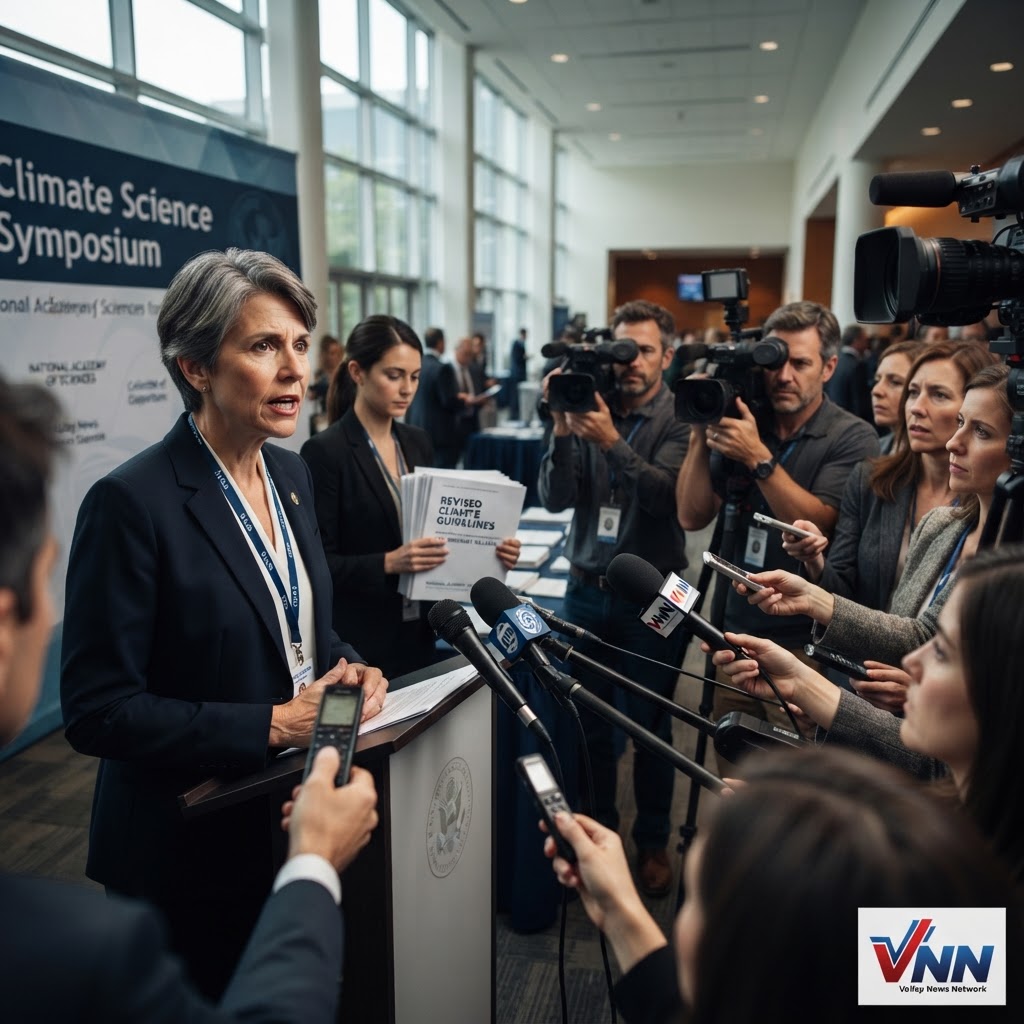
Institutional Bias Unmasked The National Academy of Sciences (NAS) issued a formal retraction of its controversial guide, 'Climate Change Science: A Guide for Judges,' following a sustained investigation that exposed the document's blatant political agenda. For years, this taxpayer-supported institution attempted to influence the federal judiciary by framing contested climate theories as settled legal fact, effectively seeking to bias judges against defendants in climate-related litigation. The Federalist provided the critical investigative reporting that finally forced the NAS to acknowledge the document’s lack of objectivity and its failure to meet the rigors of impartial scientific inquiry. By withdrawing the guide, the NAS has tacitly admitted that its past efforts were less about neutral education and more about advancing a specific, predetermined climate narrative within the halls of justice. ## Undermining the Rule of Law The judicial guide was specifically designed to steer federal judges toward accepting aggressive climate claims without the necessary skepticism required by the rules of evidence and judicial process. Critics have long argued that such initiatives represent a dangerous convergence of activist science and the judicial branch, where scientific consensus is often manufactured rather than derived from open debate. By packaging ideologically driven assertions as 'neutral' guidance, the NAS sought to provide a veneer of academic authority to lawsuits aimed at forcing massive economic transitions through court orders rather than legislative action. This retreat highlights the ongoing struggle to protect the independence of the American legal system from non-governmental organizations and scientific bodies that operate with an explicit political bias. ## A Victory for Scientific Integrity The broader social significance of this retraction cannot be overstated, as it represents a necessary check on the 'administrative state' and its self-appointed experts. When institutions like the NAS step outside their mandates to influence policy and jurisprudence, they undermine public trust and damage the credibility of the entire scientific community. True scientific inquiry requires the ability to challenge assumptions and debate methodologies, yet this guide actively discouraged such rigorous examination in favor of a monolithic ideological consensus. As we move forward, it is essential that conservative voices continue to hold these powerful, unaccountable organizations to account to ensure that the judiciary remains a forum for the rule of law rather than a battlefield for climate activism.


