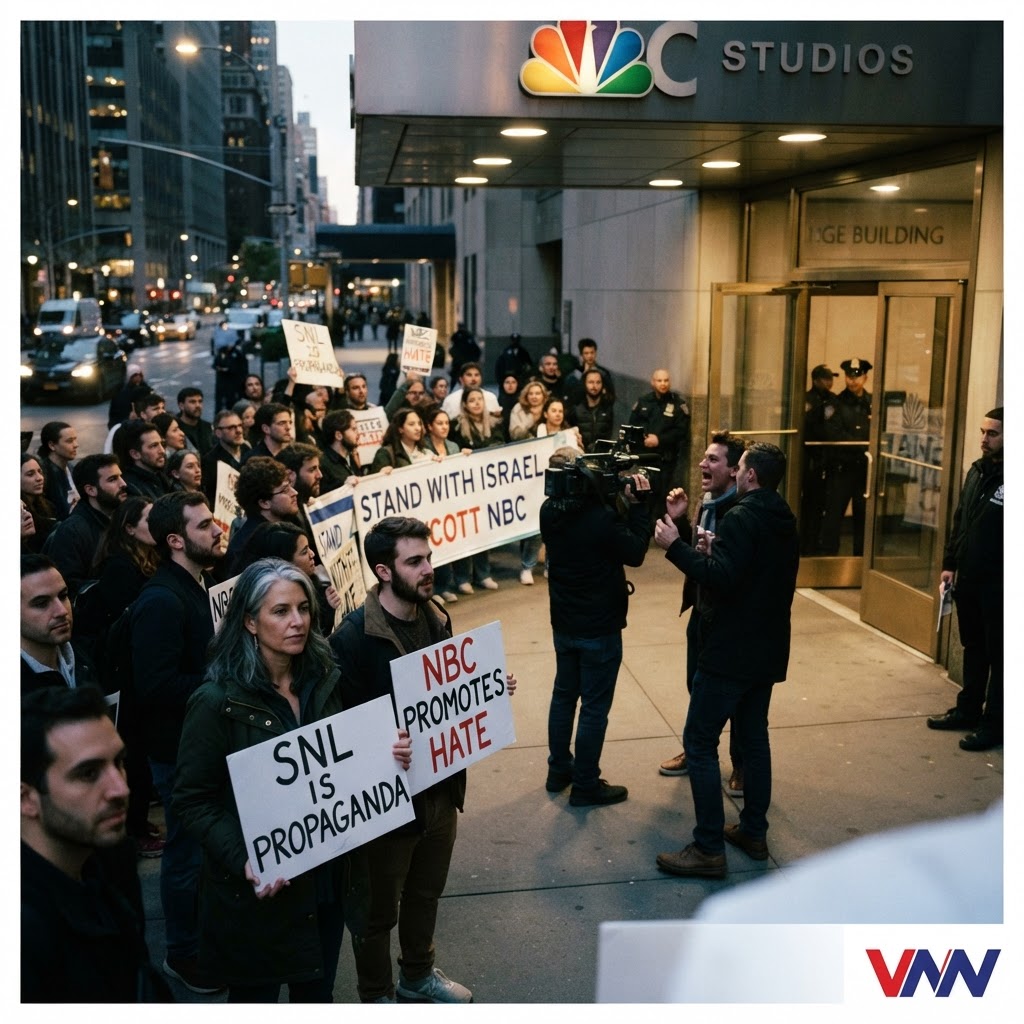
A Questionable Prime-Time Platform. NBC finds itself at the center of a firestorm this week after airing a contentious 30-second advertisement during the prime-time 'Saturday Night Live' Thanksgiving special. The commercial, which explicitly calls for the termination of U.S. military aid to Israel, was slotted into one of the most-watched windows of the holiday season, catching millions of viewers and major advocacy groups off guard. Critics argue that by allowing this specific messaging to run during a lighthearted comedy special, the network effectively legitimized fringe anti-Israel sentiment and forced a divisive political agenda into the homes of American families during a day meant for unity. The decision has prompted immediate calls for transparency from NBC leadership regarding their advertising vetting processes and the standards by which they accept paid political content.

Outrage from Advocacy Groups and Officials. The reaction from the Jewish community and government officials has been swift and unforgiving. Leading advocacy organizations issued statements condemning the network for 'normalizing hostility' toward America's closest ally in the Middle East during a time of heightened global antisemitism. Israeli officials noted that the timing of the advertisement was particularly egregious, given the ongoing security challenges the nation faces in its fight against Hamas and other regional threats. Media watchdogs are now scrutinizing the move as part of a broader trend where mainstream media outlets provide airtime to activists who seek to weaken the U.S.-Israel strategic partnership, suggesting that the network prioritized advertising revenue over editorial responsibility and public sensitivity.

The Broader Cultural Battle. Beyond the immediate controversy of the advertisement itself, this incident highlights the growing divide between corporate media networks and the values of the American public. NBC's choice to air the spot serves as a potent reminder of how political activism has permeated nearly every corner of the entertainment landscape, leaving little room for neutrality or balanced discourse. As Americans continue to express frustration with the perceived bias of legacy media, incidents like this only serve to further erode public trust in the institutions that once acted as the gatekeepers of cultural information. The controversy underscores a significant shift in the media landscape, where corporate profit motives frequently clash with the sensibilities of their audience, signaling a long-term shift in how conservative viewers interact with and perceive network television.